The short answer
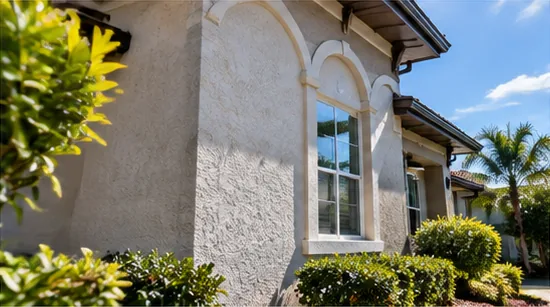
Elastomeric coatings are thick, flexible acrylic films, applied at several times the thickness of ordinary exterior paint, that stretch across fine cracks and resist wind-driven rain. They make sense on sound stucco and masonry with many hairline cracks, applied at the manufacturer's film thickness over properly prepared, dry walls.
They are a poor choice where water can get behind the coating, such as walls with leaking windows, failed flashing, wet or delaminated stucco, or on surfaces the manufacturer excludes, like horizontal areas where water collects. Building-science guidance notes that elastomerics trade some vapor permeability for flexibility and can blister when moisture gets in. For most sound stucco, a quality exterior acrylic is the more forgiving choice.
Key takeaways
- Elastomeric is a system, not a paint: often two coats at roughly 6 to 9 dry mils each, where ordinary acrylic is closer to 2 to 3.
- Crack bridging has limits set by each product. Wider or moving cracks still need repair before coating.
- Published vapor permeability varies by product and drops as the film gets thicker. Compare figures at the stated thickness.
- Blistering usually traces back to water inside the wall, not to the coating alone.
- Recoating over elastomeric is possible with compatible products; removing it is much harder than removing paint.
What Elastomeric Actually Does
An elastomeric wall coating is a high-build acrylic film designed to stretch. Where ordinary exterior acrylic paint is applied at a few mils per coat, elastomerics go on several times thicker, and their films can elongate to several times their original length before breaking. Product data sheets from major manufacturers list elongation figures in the hundreds of percent.
That combination gives elastomerics their two selling points:
- Crack bridging. The thick, flexible film spans fine cracks in stucco and masonry, and can stretch as those cracks open and close slightly with temperature.
- Water resistance. Many products are tested for resistance to wind-driven rain, making them useful on masonry walls exposed to heavy rain.
What they do not do is repair the wall. They bridge hairline cracks, but wider cracks, moving joints and structural cracks need to be repaired before coating, and the products themselves say so.
When Moisture Becomes a Problem
Every exterior wall takes on some moisture: from rain, from humid air, from inside the house, from irrigation. A wall stays healthy when that moisture can dry out faster than it arrives. Coatings affect how quickly water vapor can pass out through the wall surface.
Building-science researchers have described the trade-off directly: elastomerics give up a degree of vapor permeability to gain their crack-spanning ability, and when water enters the stucco behind the coating at a joint or flaw, elastomeric paints have been known to blister. The Portland Cement Association makes a similar point, noting that some elastomeric coatings, while not vapor barriers, may slow water vapor and potentially trap water in the wall.
That is a conditional risk, not an inevitable one. The moisture has to get in first. Sound stucco with good flashing, sealed openings and working drainage details gives a coating little water to trap. Walls with leaking window frames, missing kickout flashing at roof edges, irrigation spraying the base of the wall, or water wicking up from grade are the ones where a less permeable film causes trouble.
Published perm ratings also complicate the picture. Several elastomeric data sheets list permeability figures in the same general range as some acrylic masonry paints when measured per coat. Because permeability drops as a film gets thicker, the total system thickness matters: two heavy coats of elastomeric slow vapor more than the per-coat figure suggests. Comparing products means comparing their perm ratings at the thickness each will actually be applied.
Blistering From Trapped Vapor
Blisters in elastomeric coatings usually appear as soft, raised bubbles, often on sun-facing walls, sometimes filled with water. They form when moisture inside the wall turns to vapor in the heat and pushes against a film it cannot pass through quickly enough.
The fix is not a thicker coat. It is finding where the water is getting in, repairing it, removing the blistered coating, letting the wall dry, and then choosing a coating suited to the wall’s condition. Blisters that appear in the first days after application can also come from applying over damp walls or in conditions outside the product’s requirements.
Substrates Where It Works Well
Elastomerics suit:
- Sound stucco with extensive hairline or map cracking, where a standard paint would let cracks show through within a season or two.
- Concrete block and masonry walls exposed to wind-driven rain, where the manufacturer rates the product for masonry.
- Walls that are dry and well detailed, with sealed openings, flashing in place and no active leaks.
In these cases, the thick film hides cracking, resists water and can extend the time before cracks reappear.
Where Manufacturers Say Not to Use It
Product data sheets list specific exclusions, and they differ between products. Common ones include:
- Horizontal surfaces where water can collect, such as decks, floors, roofs and ledges.
- Below-grade walls or surfaces under hydrostatic pressure, where water pushes through from behind.
- Wet or damp surfaces at the time of application.
- Dynamic joints and moving cracks, which need sealant rather than coating.
- Surfaces with incompatible existing coatings, such as some cement-based waterproofing paints, which may need to be removed first.
Beyond the written exclusions, experience with stucco points to other poor candidates: walls with active leaks, delaminated stucco, walls where moisture problems have not been solved, and stucco systems whose manufacturer specifies particular coatings. On proprietary systems such as EIFS, the system manufacturer’s list of approved finishes is the one to follow.
Manufacturer Spec Compliance
Each product has its own requirements: a minimum surface and air temperature, a dry substrate, a primer or conditioner for bare or chalky masonry, a cure period and pH limit for new stucco and concrete, a minimum time before rain, and a recoat interval. Several major products call for new masonry to cure about 30 days, or to be treated with a primer suited to high alkalinity. Applying outside those conditions is a common reason coatings fail and a common reason warranties do not apply.
Mil Thickness and Application Rate
Thickness is where elastomerics differ most from ordinary paint. Current data sheets from major manufacturers show:
- Coverage of roughly 80 to 125 square feet per gallon per coat for elastomerics, compared with roughly 225 to 325 for a typical acrylic masonry paint.
- Dry film thickness of roughly 6 to 9 mils per coat, with two-coat systems totaling around 13 to 17 mils in some products.
- Crack-bridging limits that vary: one major product rates bridging only the finest cracks, around 1/32 inch, and requires anything wider to be patched first.
Applying too thin a film undermines crack bridging and water resistance. Applying far too thick in one pass can cause sagging, slow curing and surface defects. The data sheet’s spread rate, and a wet-film gauge used during application, keep it within range. When comparing quotes, the number of gallons planned for the house is a practical way to check whether a true elastomeric system is included.
Recoating and Removal Difficulty
Walls with an existing elastomeric coating can usually be recoated. Manufacturers describe recoating sound elastomeric with another coat of elastomeric, or with a compatible high-quality acrylic after cleaning. A harder, less flexible paint over a stretchy base can crack as the elastomeric moves, so product compatibility and film thickness are worth confirming with the coating manufacturer.
Removing elastomeric is another matter. The thick, rubbery film does not sand or scrape easily, and full removal from textured stucco is laborious. In practice, removal is usually limited to failed, blistered or peeling areas, cut back to sound coating or bare stucco. This is one reason to choose elastomeric deliberately rather than by default: once on a house, it tends to stay.
Cost vs Standard Acrylic
Elastomeric costs more mainly because of the quantity of material. HomeGuide’s cost data illustrates the difference for a two-coat job on a 2,000-square-foot home: roughly 10 to 20 gallons of acrylic compared with roughly 40 to 60 gallons of elastomeric. Labor is also higher, since heavier coats take longer and require more attention to spread rate.
Elastomeric can make financial sense on heavily cracked stucco if it delays the next round of crack repair and repainting. On sound stucco with few cracks, the added cost buys little, and a quality acrylic over well-repaired cracks is usually the better value. Which cracks a coating can bridge and which need repair first is the starting point in stucco crack repair and painting.
Warranty Conditions
Coating warranties typically depend on following the manufacturer’s instructions: surface preparation, primer, application rate, number of coats and weather conditions. Some products carry long warranties only when applied as a specified system. Warranties generally cover the coating’s performance, such as peeling or excessive chalking, and exclude failures caused by structural movement, moisture from behind the coating or improper application. Reading the actual warranty document, rather than a marketing summary, shows what is covered and what documentation is needed to claim it.
Questions to Ask Before Choosing Elastomeric
When a contractor recommends an elastomeric system, these questions help judge whether it fits the house:
- Why this wall? Extensive hairline cracking is a good reason; general “extra protection” on sound stucco is a weaker one.
- Where could water get in? Windows, roof-to-wall joints, penetrations and the base of the wall should be checked and sealed first.
- Which product, and at what thickness? Ask for the product name, the planned number of coats and the gallons for the job, and compare that with the data sheet’s spread rate.
- What primer, if any? Many products require a masonry primer or conditioner on bare, chalky or new stucco.
- How are wider cracks handled? They should be patched or sealed before coating, within the limits the product states.
- What does the warranty require? Some coverage depends on the full system being applied as specified.
Clear answers to these questions usually reveal whether elastomeric is solving a specific problem or simply adding cost.
How to Tell If Your House Already Has It
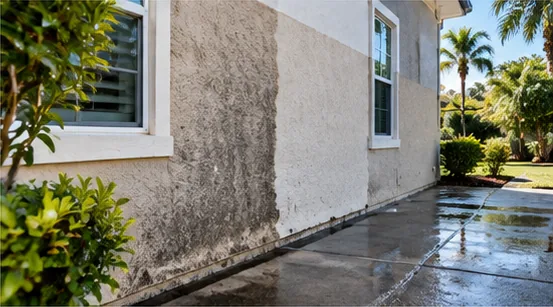
Signs that a wall may already have an elastomeric coating include a thick, rubbery film that can be dented slightly with a fingernail, rounded or softened texture, and fine cracks that do not show through even though the stucco beneath has cracked. Where the coating is peeling, a thick, flexible skin rather than a thin brittle flake is another clue.
Those signs are suggestive rather than conclusive. The most reliable sources are records: previous painting invoices, product labels from past work, HOA submissions that list the product, or the painting contractor who did the last job. Knowing what is on the wall matters before repainting, since it affects which products are compatible and how the surface should be prepared, and it is one of the questions settled early in planning exterior painting.
Share this article