The short answer
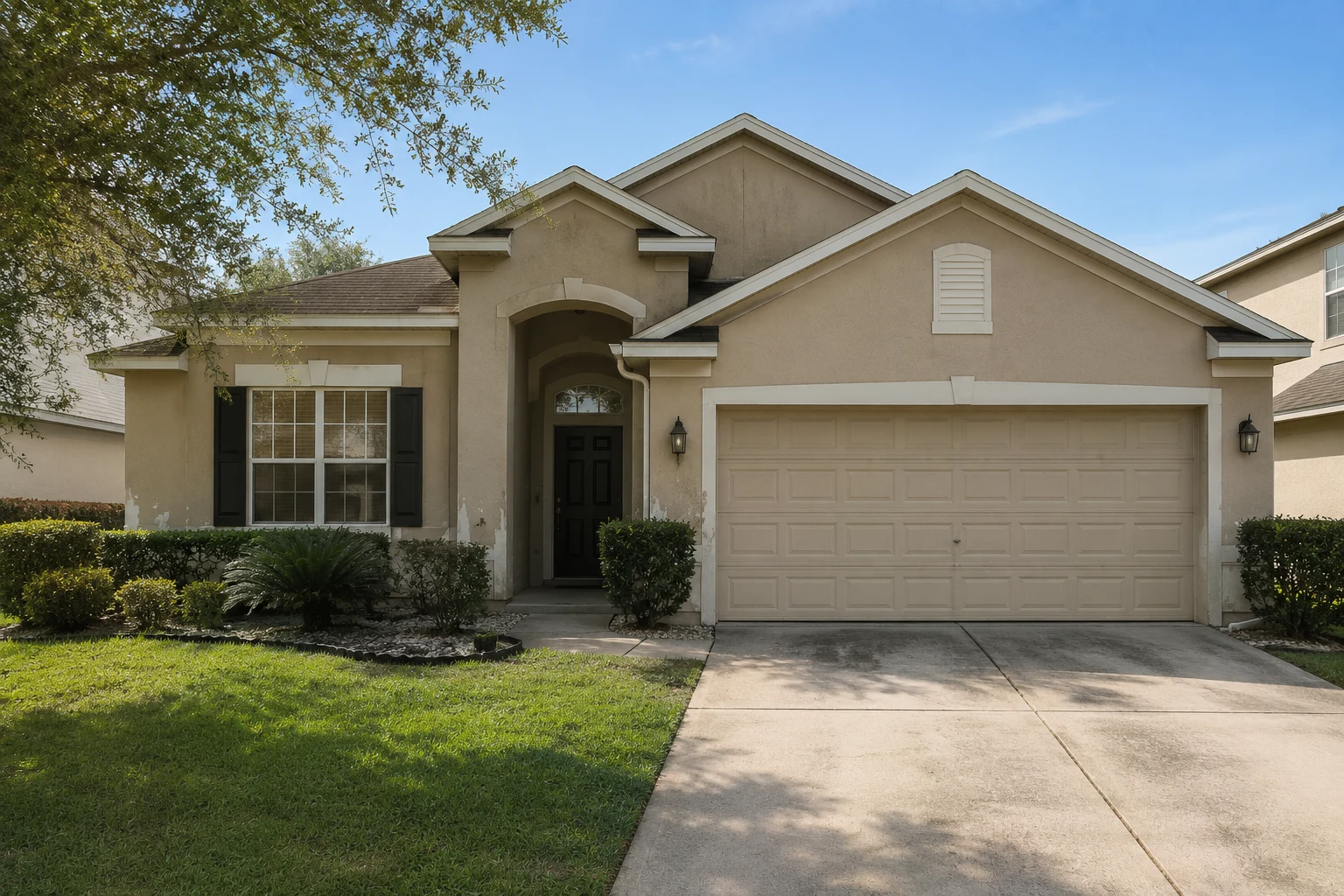
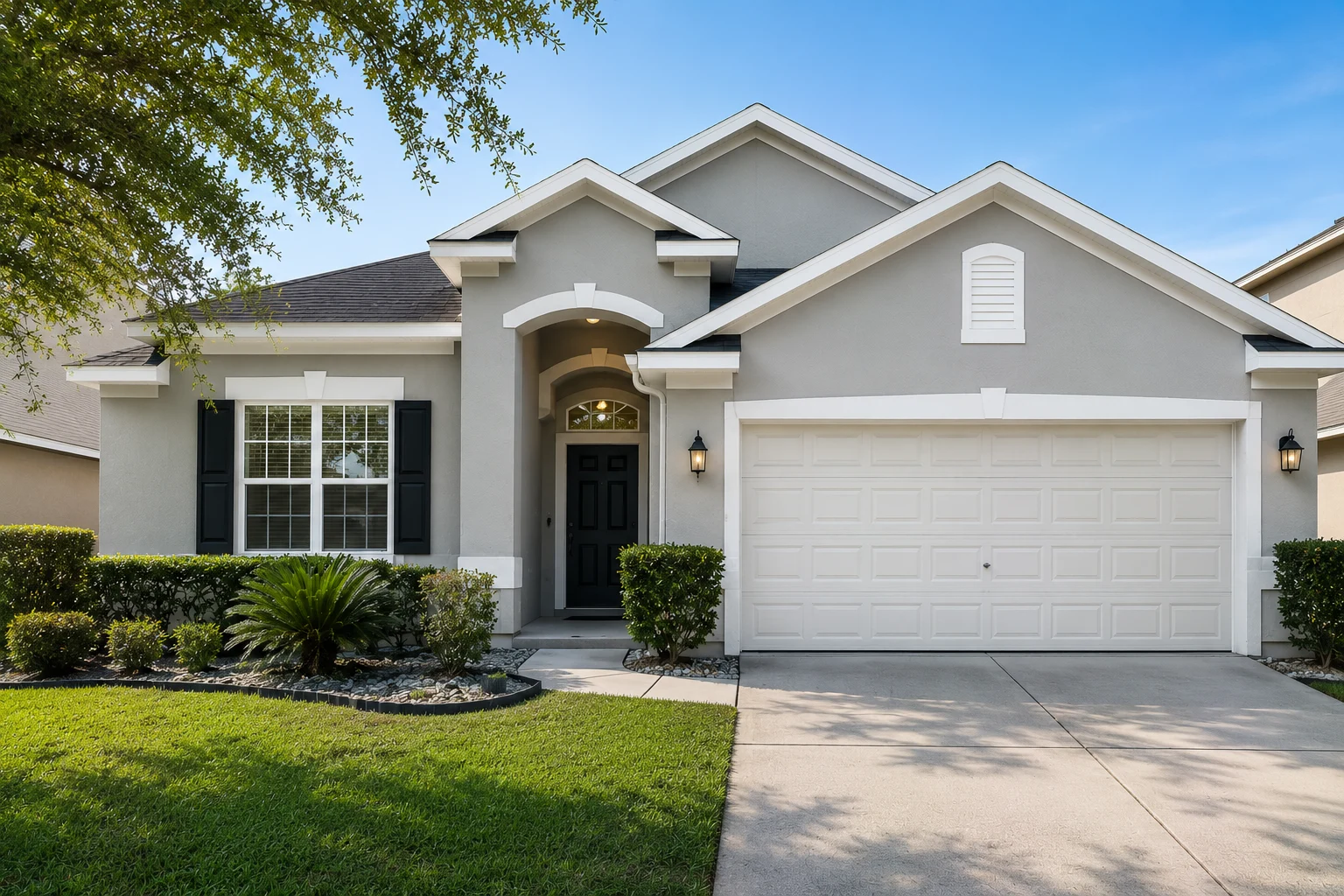
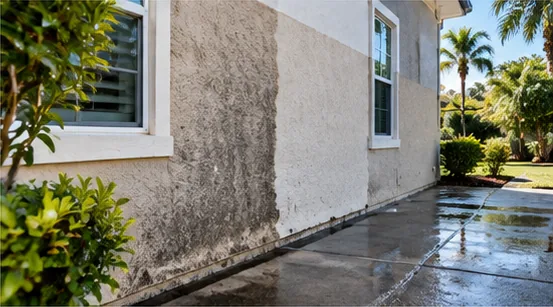
Before exterior paint, walls need to be free of dirt, chalk, mildew and algae, and then dry. Pressure washing uses the force of water to clean; soft washing uses low pressure with a cleaning solution that kills and loosens organic growth. On Florida stucco, painted wood and screened areas, a lower-pressure approach with the right cleaner is often safer and just as effective, with pressure reserved for durable surfaces and stubborn residue.
Too much pressure can erode stucco texture, gouge wood, drive water behind trim and past window seals, and damage screens. Paint manufacturers say mildew must be removed or it grows through the new coat, and cleaned surfaces must dry thoroughly before painting, which depends on sun, shade and humidity rather than a fixed number of hours.
Key takeaways
- Cleaning removes what paint cannot stick to: chalk, dirt, mildew and loose material.
- Mildew has to be killed and removed, not just rinsed, or it returns through the new paint.
- The right pressure depends on the surface. A setting that cleans concrete can damage stucco or wood.
- Walls hold water after washing. Shaded and porous surfaces take longest to dry.
- Plants, screens, light fixtures and outlets need protection from both water and cleaning chemicals.
Why Washing Comes Before Any Exterior Paint
Paint bonds to what it touches. If that is dust, chalk from old paint, mildew or pollen, the new coating bonds to a layer that is itself loosely attached, and it peels with it. Data sheets for exterior paints make cleanliness a condition of use, listing mildew, chalk and loose or scaling paint among the things a surface must be free of.
In Central Florida, walls collect more than dirt. Warm, humid conditions support mildew and algae on shaded walls, soffits and anything near sprinklers. Sun breaks down old paint into a chalky layer. Pollen, dust from construction and roads, and spider webs under eaves all add to it. A wall that looks acceptable from the street is usually far from clean enough to paint.
Washing is the step that reveals the real condition of the surface, too. Once dirt and chalk are gone, cracks, failing caulk and bare areas show clearly, which is when the repair scope becomes accurate.
Pressure Washing vs Soft Wash Explained
The two approaches differ in what does the cleaning.
Pressure washing relies on the force of water. A pressure washer delivers a concentrated stream that blasts dirt and loose material off the surface. It works well on hard, durable surfaces such as concrete driveways and walkways, and it can remove stubborn residue. Its weakness is that the same force that removes dirt can damage softer or more delicate surfaces.
Soft washing relies on chemistry. A cleaning solution, typically designed to kill mildew and algae, is applied at low pressure, allowed to work, and then rinsed away with a gentle stream. It removes organic growth at its roots rather than blasting off the visible part, which slows regrowth, and it puts much less mechanical stress on stucco, painted wood, screens and seals.
Many painting contractors use a combination: soft washing for walls, soffits and screened areas, and higher pressure only where the surface can take it. The right approach depends on the surfaces, the kind of contamination and their condition.
Mildew, Algae and Chalking Removal
Mildew and algae appear as black, gray or green growth, most often on north-facing and shaded walls, under eaves and near irrigation. Rinsing with water alone removes the visible growth but leaves spores that regrow, sometimes quickly. Coating makers warn that mildew painted over keeps growing and shows through the finish. UF/IFAS Extension describes a cleaning mix for painted exterior surfaces that includes detergent and household bleach, followed by thorough rinsing and drying before painting. Commercial mildew removers are also common. Any cleaner should be used according to its label, with care for plants, people and pets.
Chalking is the powdery residue that forms as sunlight breaks down paint binders. It rubs off on a hand or shows on a strip of tape pressed to the wall, the same kind of check described in the industry test method for chalking. Chalk left on the surface weakens the bond of new paint. Washing removes most of it; heavily chalked surfaces may also need a primer or conditioner designed to bind remaining chalk.
Dirt, pollen and cobwebs come off with ordinary cleaning, but they collect under eaves and soffits, which are easy to miss and often the first place new paint peels.
Damage Pressure Washing Can Cause
High pressure is where most washing damage comes from. The risk grows with pressure, a narrow spray tip and holding the nozzle close to the surface.
Stucco and Mortar Damage
Stucco and masonry are hard but not indestructible. A concentrated stream can erode the finish texture, leaving streaks or smoothed patches that show through paint, and it can widen existing cracks or open voids. Older, weathered stucco and patched areas are more vulnerable. Water forced into cracks also soaks the wall, extending drying time before paint. For these reasons, stucco is usually cleaned with lower pressure and a cleaning solution rather than raw force.
Window Seal Intrusion
Windows, doors, vents and light fixtures have seals and gaps that are designed to shed rain falling from above, not to resist a stream of water aimed directly at them. High-pressure spray can drive water past window seals, behind trim, into weep systems and into electrical fixtures and outlets. That can wet walls from inside, damage window assemblies and create moisture problems that appear later. Careful washing directs spray downward and away from openings, uses low pressure near them and covers outlets and fixtures.
Rust, Irrigation and Other Stains
Not every stain is mildew. Orange or brown streaks at the base of walls often come from irrigation water with high iron content, and bleach-based cleaners do not remove them; they need cleaners made for rust stains, and the sprinkler heads need adjusting so the problem does not return. Streaks below metal fixtures, railings and fasteners are rust from the metal itself. Black streaks on roofs and under gutters are usually algae or dirt runoff. Identifying the stain before washing avoids using the wrong product, and it points to fixes such as redirecting sprinklers or treating rusting metal before painting.
Dry Time Before Painting
Paint needs a dry surface. After washing, stucco, masonry and wood absorb water and release it slowly. How long drying takes depends on the material, sun and shade, wind, humidity and how much water was used. A sunny, breezy wall may be dry the next day; a shaded, porous wall in humid weather can take considerably longer.
Manufacturers’ instructions say to allow cleaned surfaces to dry thoroughly before painting, rather than giving a fixed time. Painters judge dryness by conditions and, on porous surfaces, sometimes with a moisture meter. Painting too soon traps moisture under the film, a common cause of blistering and poor adhesion. In the rainy season, the wait after washing is often extended by rain between washing and painting.
Surfaces That Need Special Handling
Different parts of a house need different approaches:
- Painted wood siding, trim and fascia: low pressure; high pressure raises grain, gouges soft wood and forces water into joints.
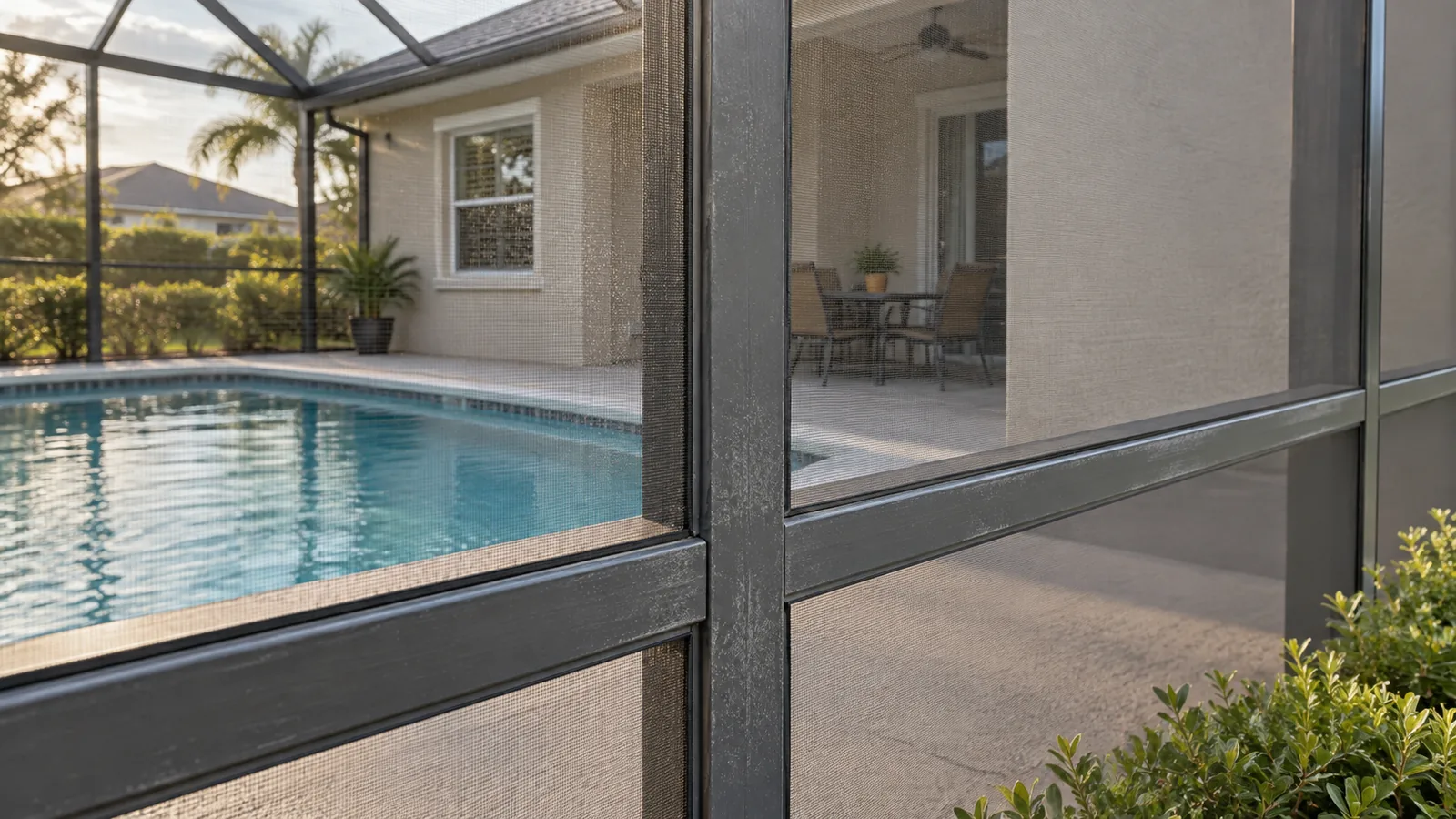
- Screen enclosures and lanai screens: gentle cleaning only, since screen material tears easily; brittle or torn panels found while washing are a sign that the cage may be due for new screens.
- Pavers and concrete: can usually take more pressure, but joint sand can be blown out and needs replacing.
- Metal railings and fixtures: cleaned without forcing water into electrical parts.
- Plants and lawn: protected from cleaning solutions and runoff.
Roof and Soffit Care
Roofs are a separate job from painting prep. Many roofing manufacturers and industry groups advise against high-pressure washing of asphalt shingles, because it can remove the granules that protect them. Roof stains from algae are usually treated with low-pressure cleaning methods recommended for roofs.
Soffits, the underside of roof overhangs, collect dirt, mildew and webs and are often vented. They are cleaned gently, with care not to force water through vents into the attic. Because peeling often starts under the eaves, cleaning them well matters before painting.
Doing It as Standalone Maintenance
Washing is also useful between paint jobs. Periodic cleaning removes mildew and dirt before they damage the paint film, keeps colors looking fresher and can extend the time before repainting. Many Florida homeowners wash walls, walkways and pool areas on a regular schedule, adjusted to how quickly growth returns on their property.
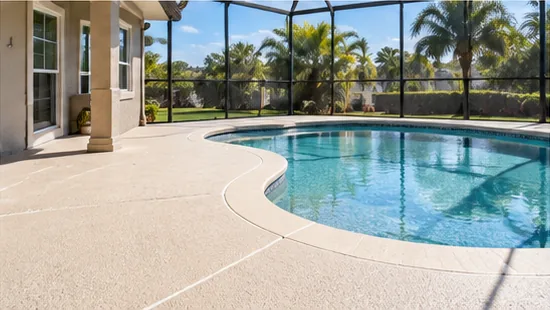
Maintenance washing has the same risks as prep washing, so the same care applies: appropriate pressure for each surface, a cleaner suited to mildew and algae, and protection for plants, screens and openings. Washing that is harsh enough to erode paint or stucco works against its own purpose. Outdoor areas such as pavers, patios and pool decks have their own cleaning and sealing needs, part of looking after outdoor living spaces.
Protecting the Property During Washing
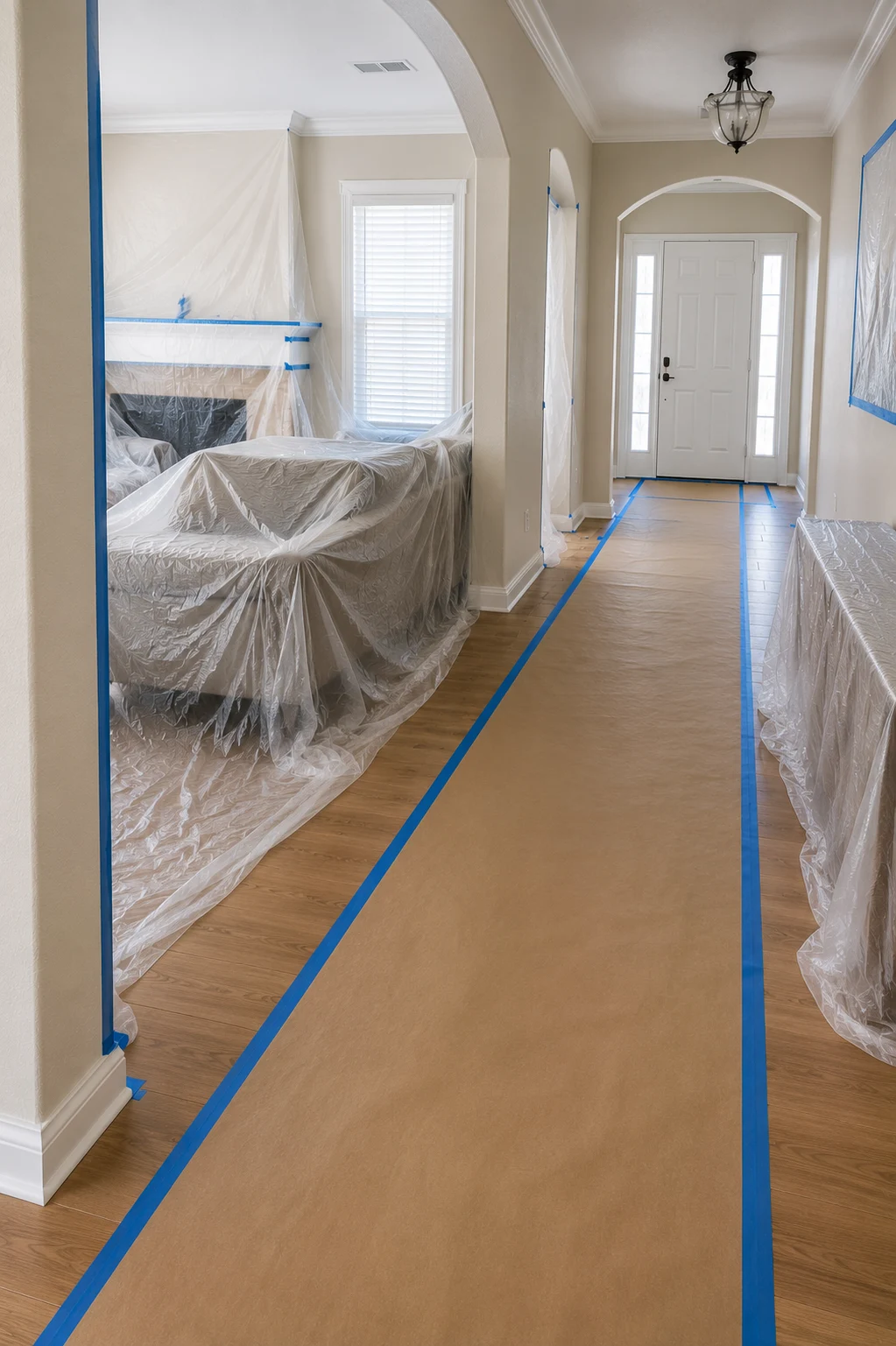
Careful washing protects more than the walls. Good practice includes covering electrical outlets, exterior lights and fixtures, closing windows and doors fully, and protecting plants by wetting them before and rinsing after any cleaning solution. Pool water should be protected from runoff containing cleaners, and cars, outdoor furniture and grills moved away from the work area. Runoff should not be sent into storm drains where local rules restrict it. Asking how these details will be handled is as useful as asking about pressure.
Cost Range
Published 2026 cost guides give broad ranges for house washing. Angi puts pressure washing a house at an average of roughly $420, with typical jobs around $250 to $500 or more, and HomeGuide notes that soft washing usually costs somewhat more than standard pressure washing. Size, stories, the amount of mildew, access and whether walkways, driveways or screens are included all move the price. That average is a national reference only; house size, height, access and how heavy the growth is set the real price for a specific home.
When washing is part of a paint job, it is usually included in the painting quote as a preparation step. A quote that lists washing, drying time, repairs and primer separately is easier to compare than one that combines them, and it fits the broader checklist for a repaint that lasts in Florida.
Washing surfaces properly before painting, and letting them dry, is where exterior painting starts.
Share this article