 Current Service
Flooring
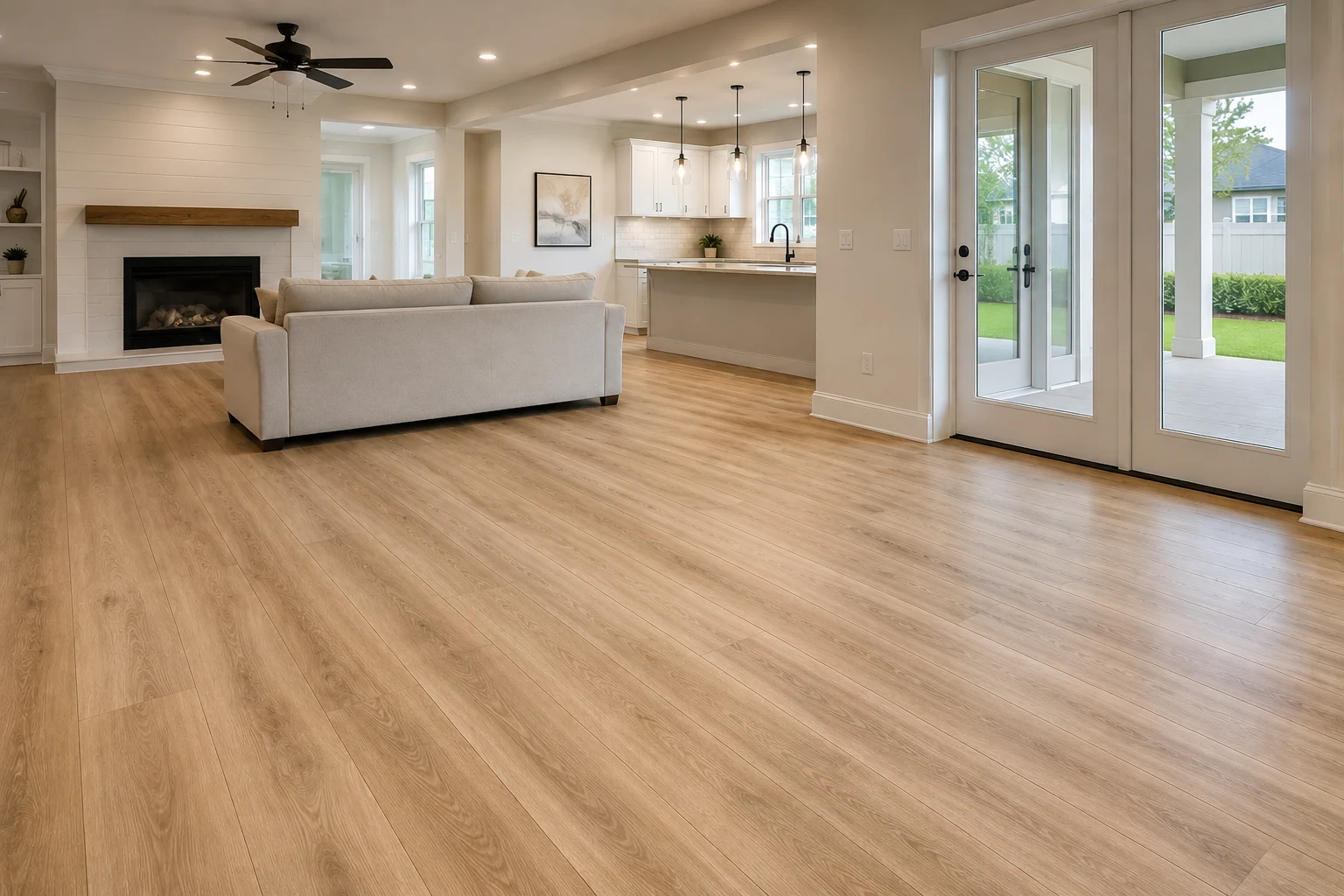
Install and refresh flooring throughout your home with materials built to last.
Serving Greater Orlando
We plan subfloor prep, moisture protection, and material choice around each room's traffic and humidity — then connect you with a flooring installer who puts it down the right way, so the finish holds up long after the boxes are unpacked.
Get Your Free EstimateFree Project Consultation
Organized Process
From your first request to choosing a professional, every step is clear and easy to follow.
The Right Professional
We help match your project with independent professionals suited to its scope, style, and budget.
Clear Communication
You'll always know what's happening with your project and what comes next.
Commitment to Your Home
We take the time to understand your home and your goals before connecting you with a professional.
 Floor Removal
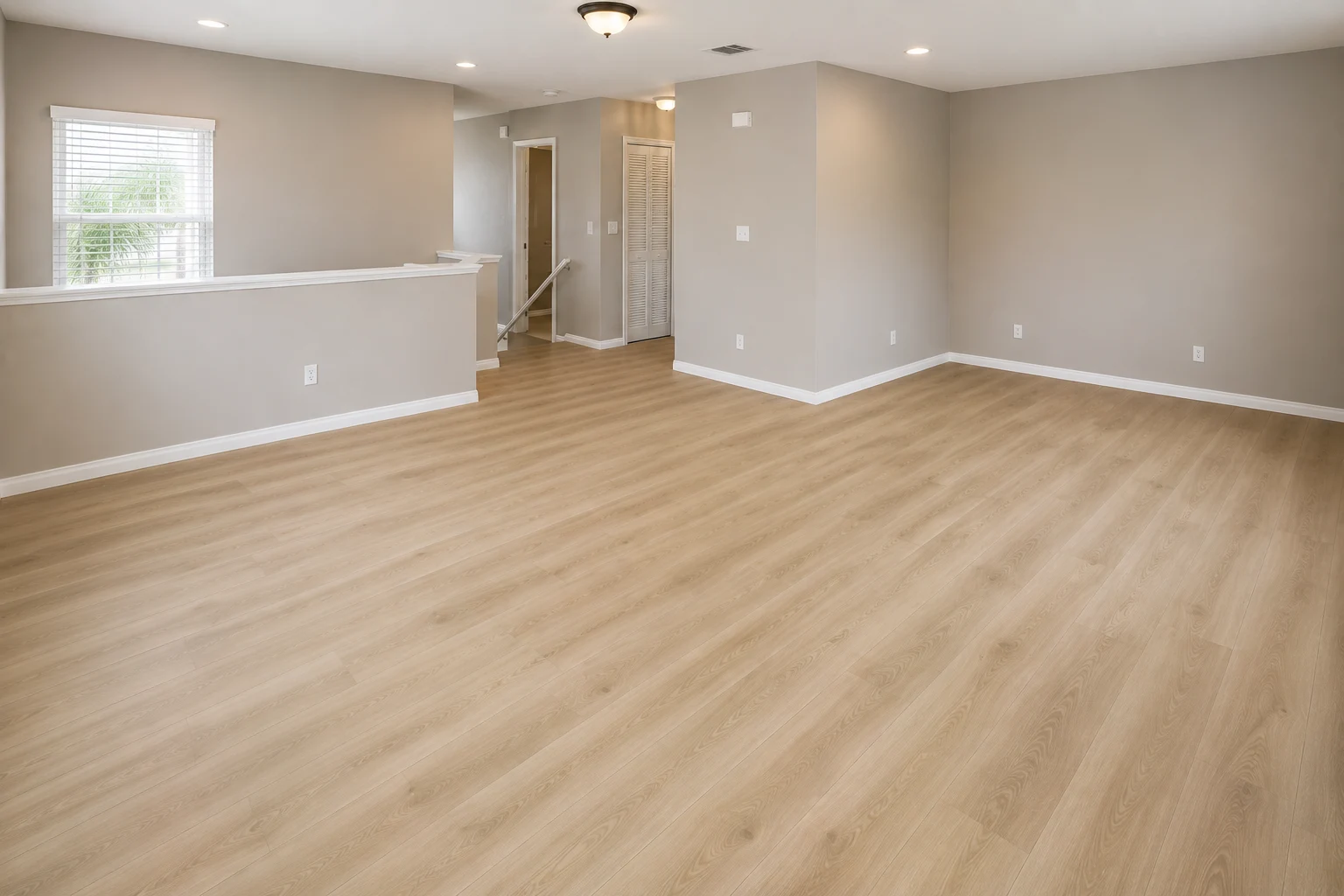
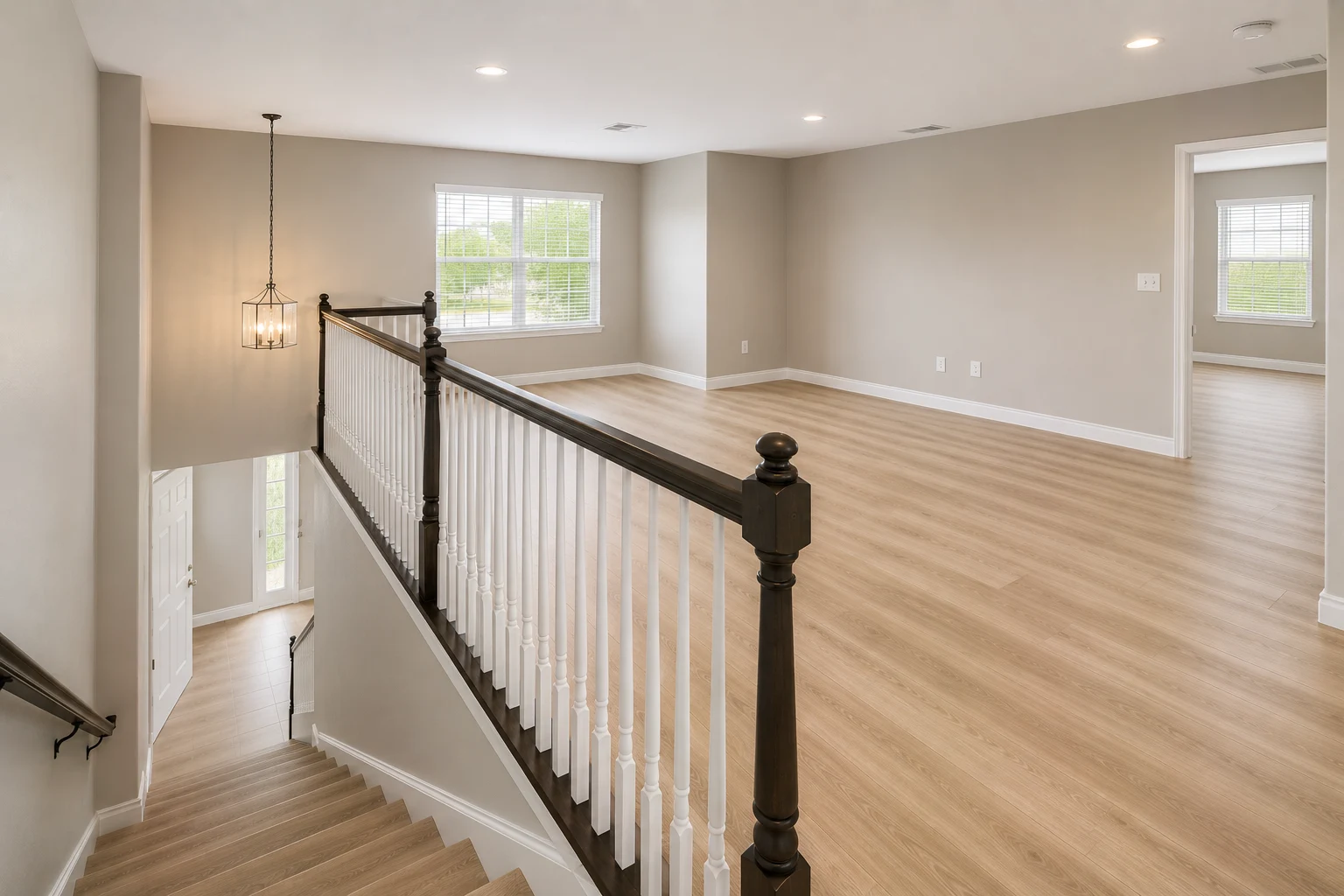
 Installation
 Baseboard Installation
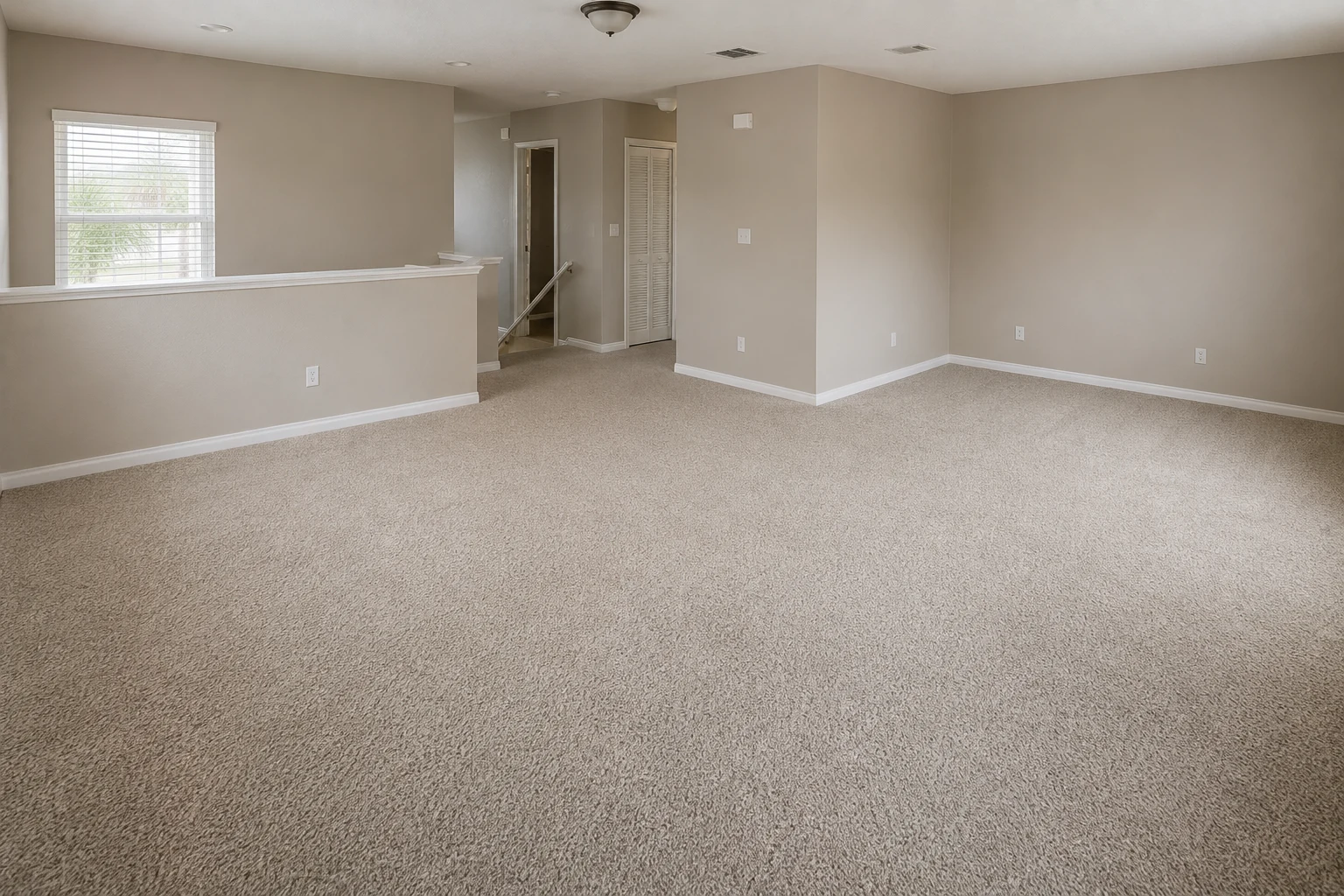
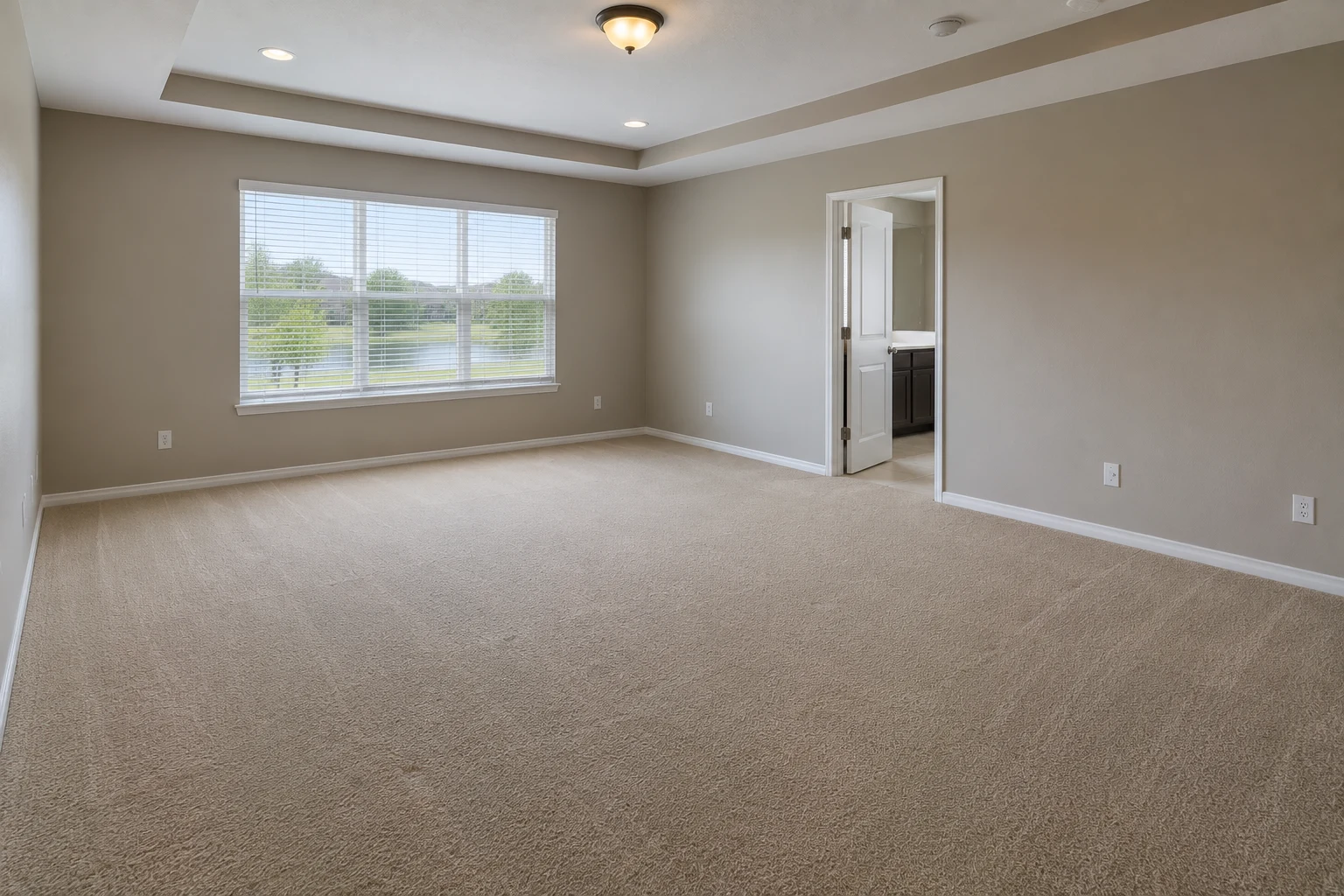
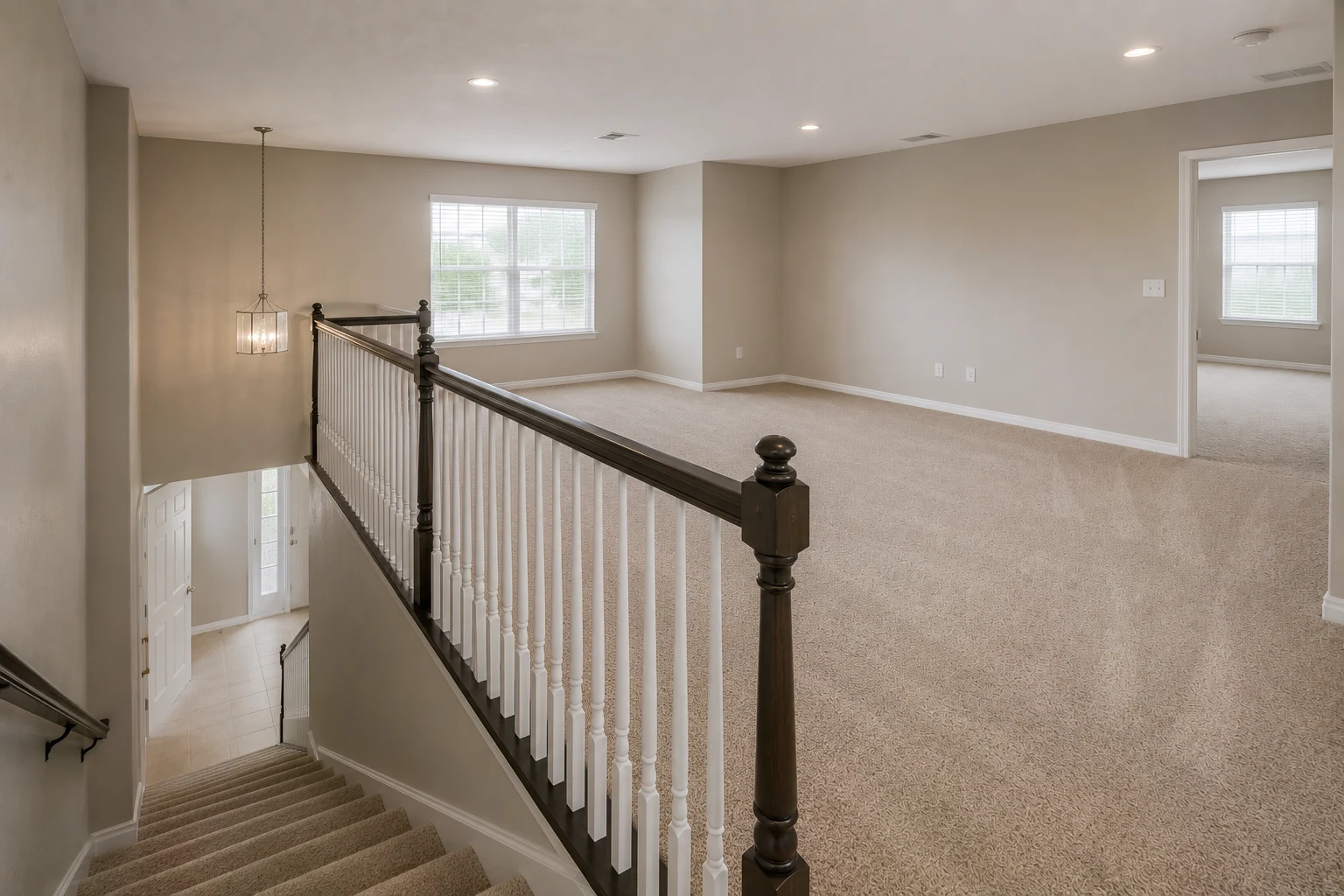
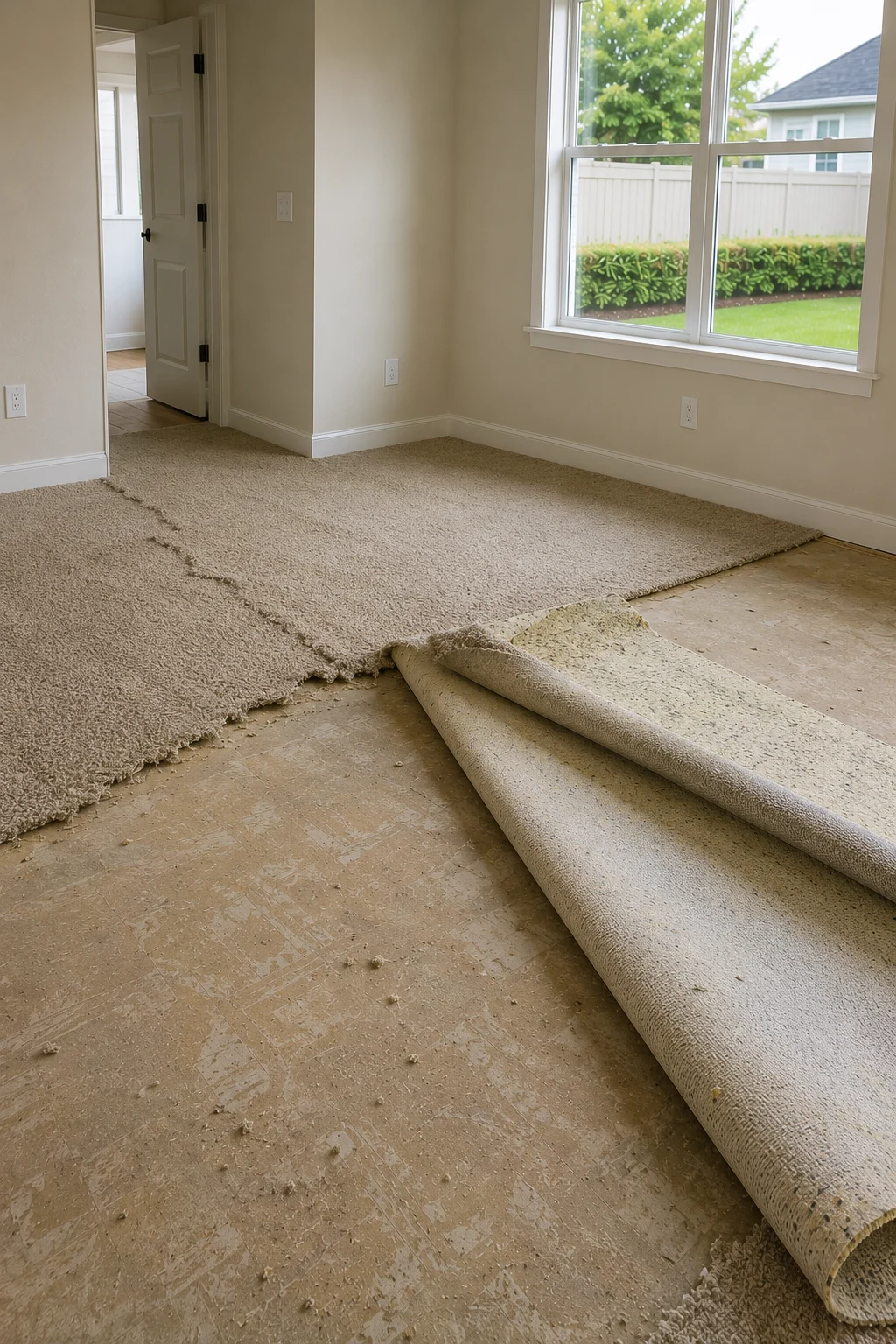 Carpet Removal
Working With Us
We're not focused on being the biggest — we're focused on being organized, communicative, and easy to work with.
Your project starts with a clear plan, not guesswork.
You'll talk with a real person about your project and the next steps.
We look closely at the details of your project so we can match the right professional to the job.
How It Works
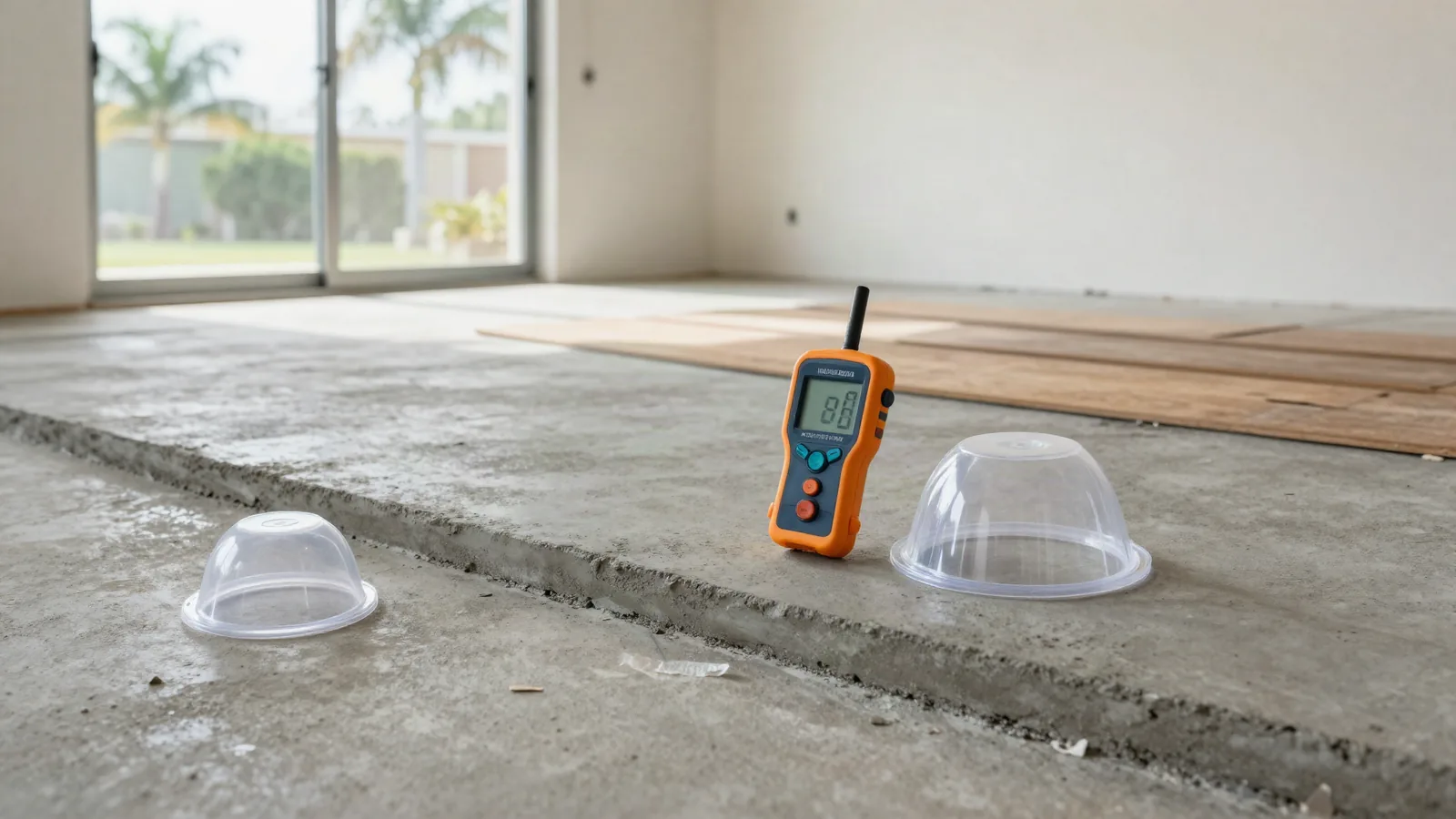
Each room is measured, and the slab or subfloor is checked for flatness and tested for moisture, since those readings decide which products and underlayment will hold up.
You choose materials room by room. Products that call for acclimation sit in the house for the time the manufacturer specifies before they go down.
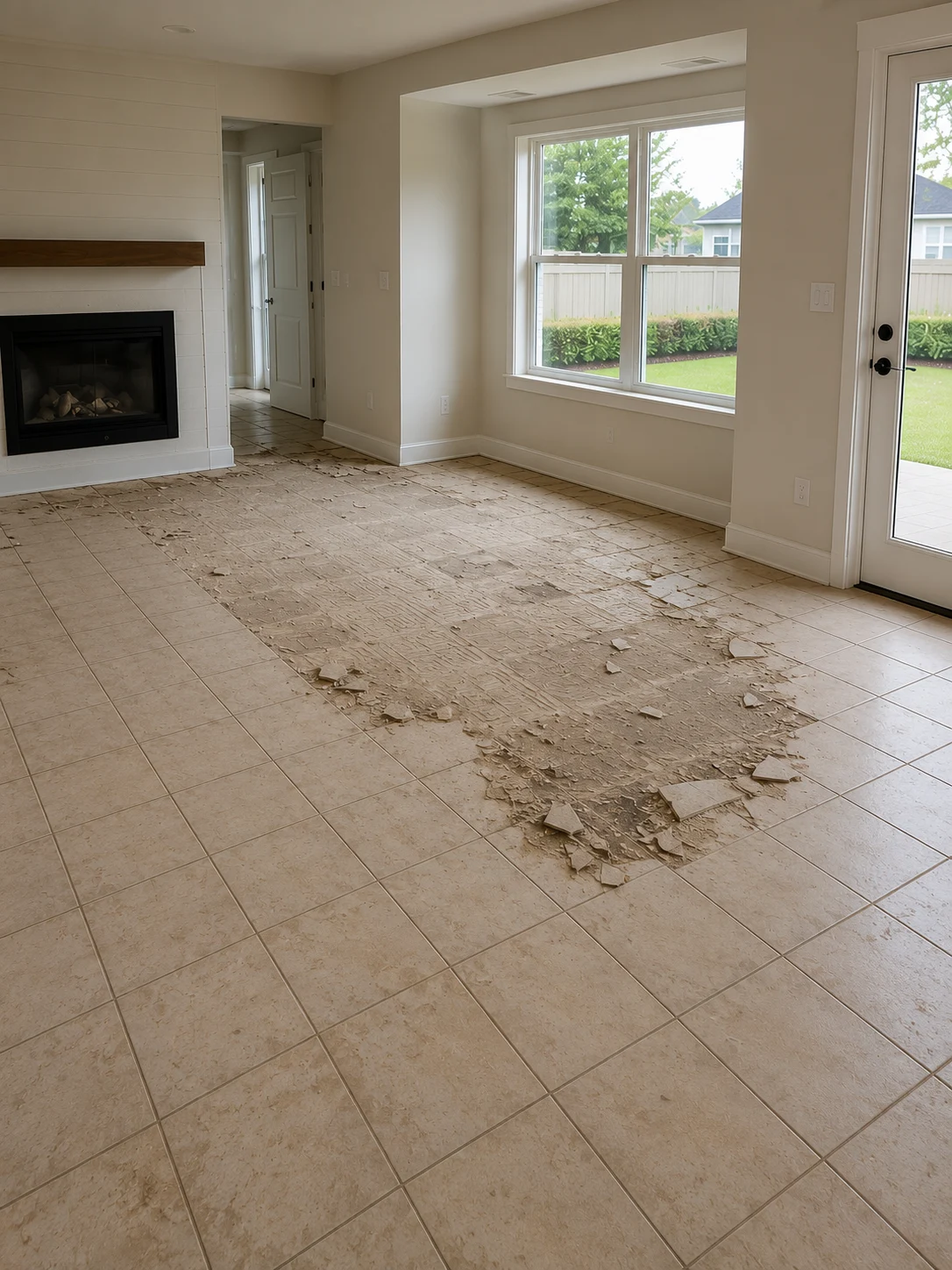
Old flooring and adhesive are removed and hauled away, then the subfloor is ground, patched or leveled to the tolerance the new floor requires.
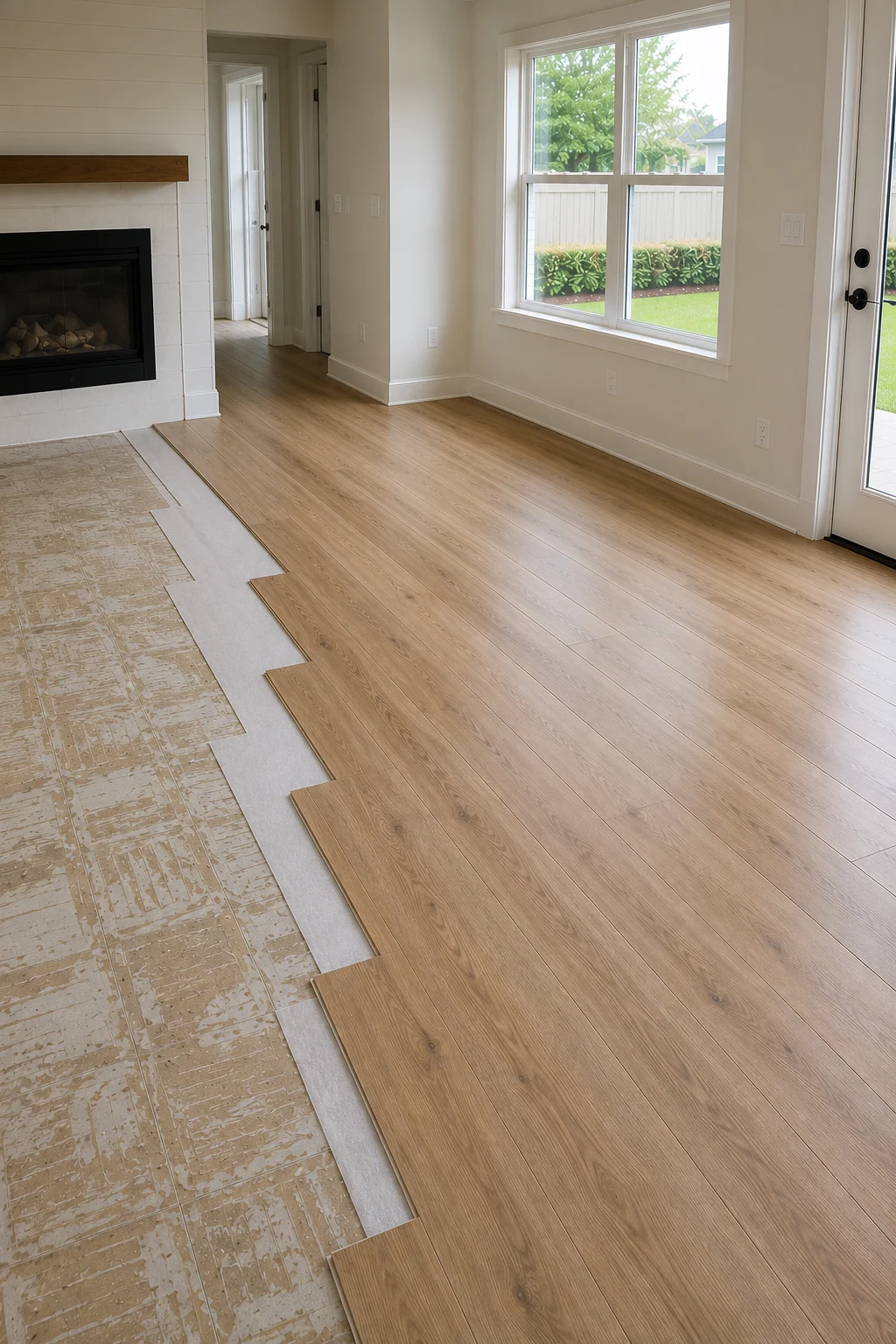
Tile, LVP, laminate or wood goes down with the underlayment, vapor barrier and expansion gaps the product calls for.
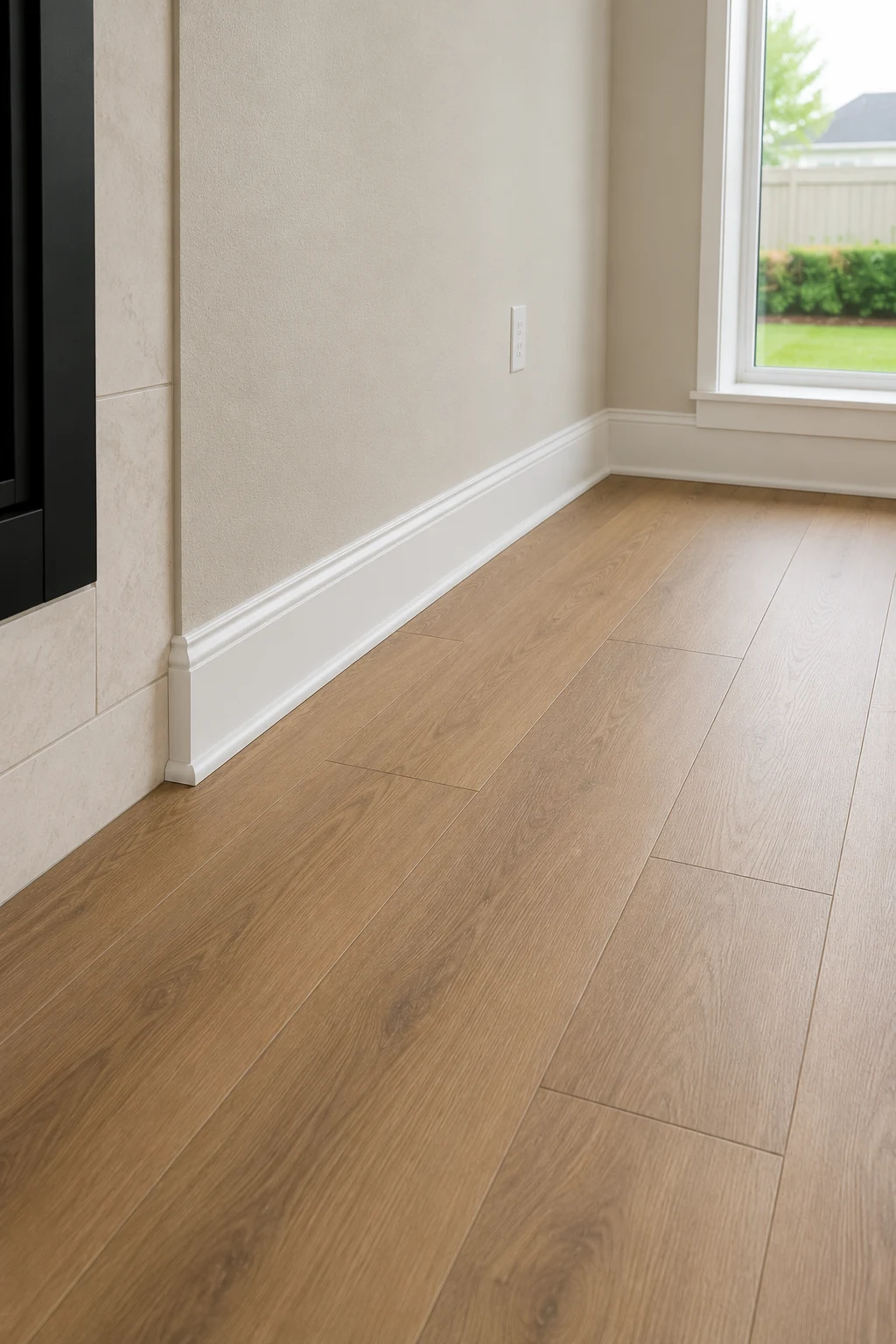
Baseboards, transitions and door clearances are finished, then every room is walked with you and care for the new floor is covered.
Real Results
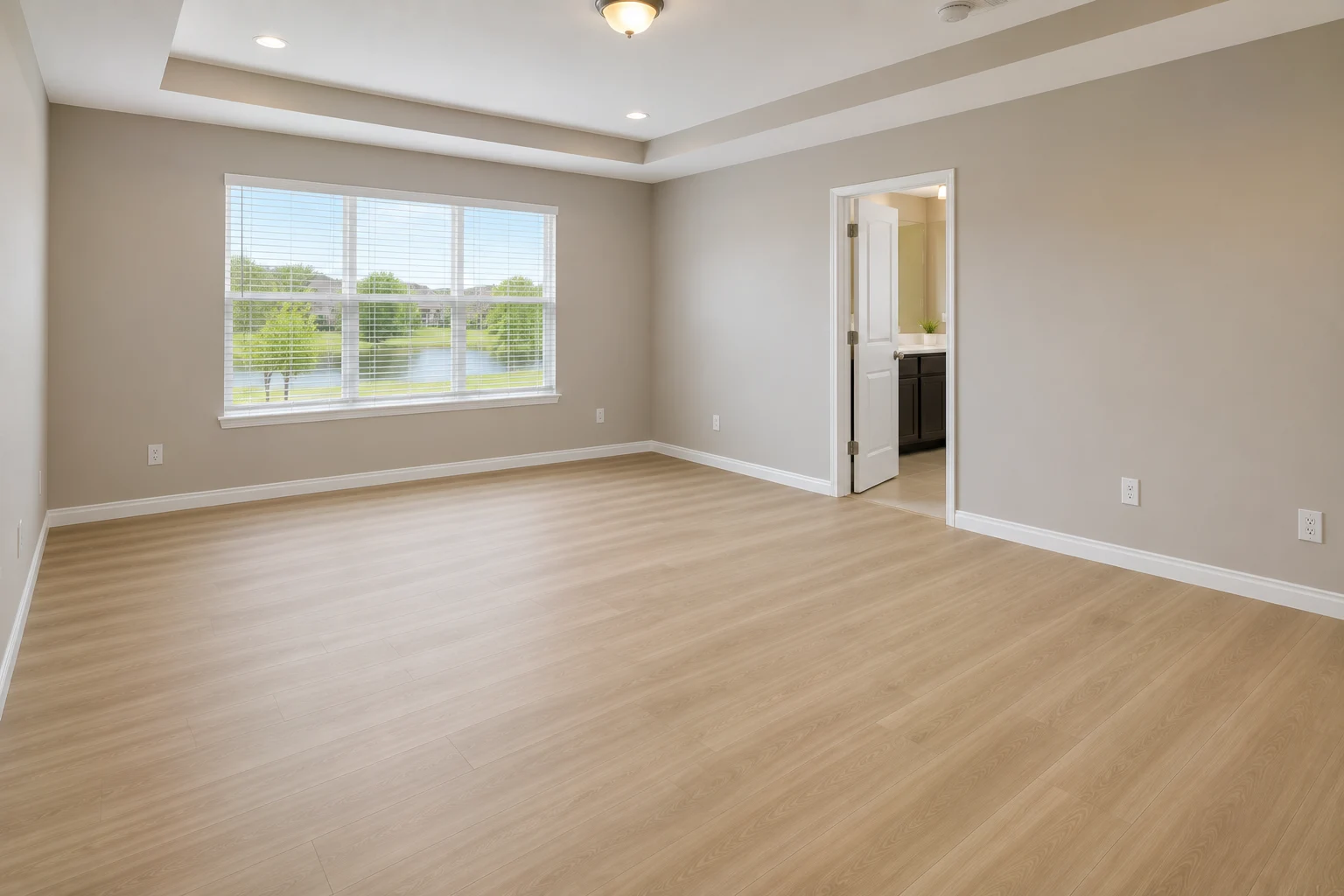
A look at how new flooring changes the feel of a room, not just what’s underfoot.
The Benefits
Flooring installed correctly the first time holds up far better than flooring chosen on looks alone.
What Else to Consider
New flooring often touches the walls, trim, and rooms around it. Here’s what’s worth planning alongside your flooring project.
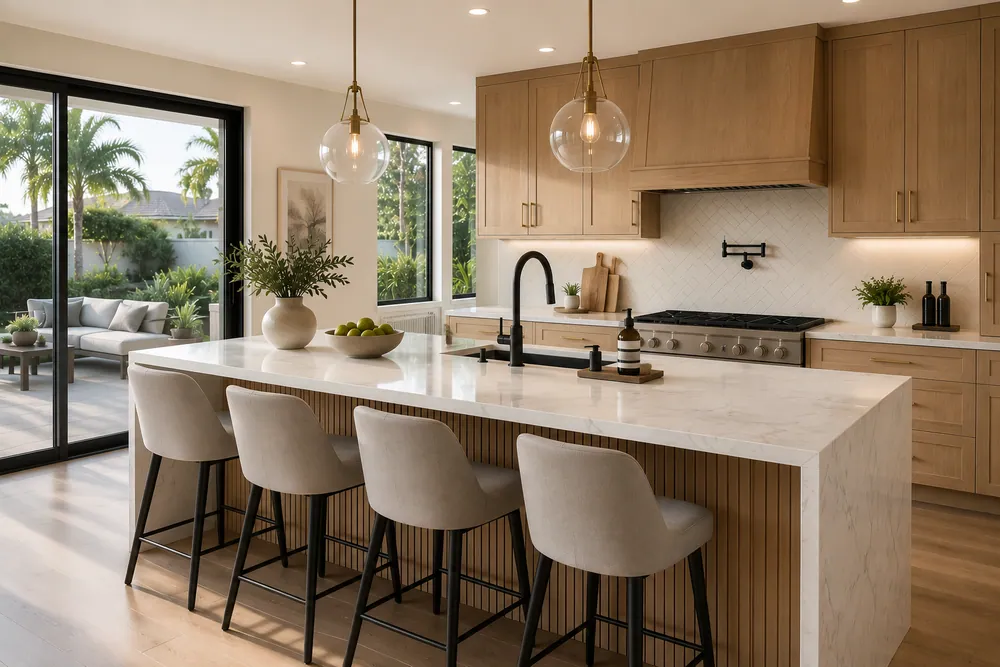
Transform the heart of your home with a kitchen that blends functionality, craftsmanship, and modern design.
Learn More
Modernize your bathroom with thoughtful layouts, quality finishes, and lasting comfort.
Learn More
Coordinate a complete transformation of your home, from layout to finishing details.
Learn More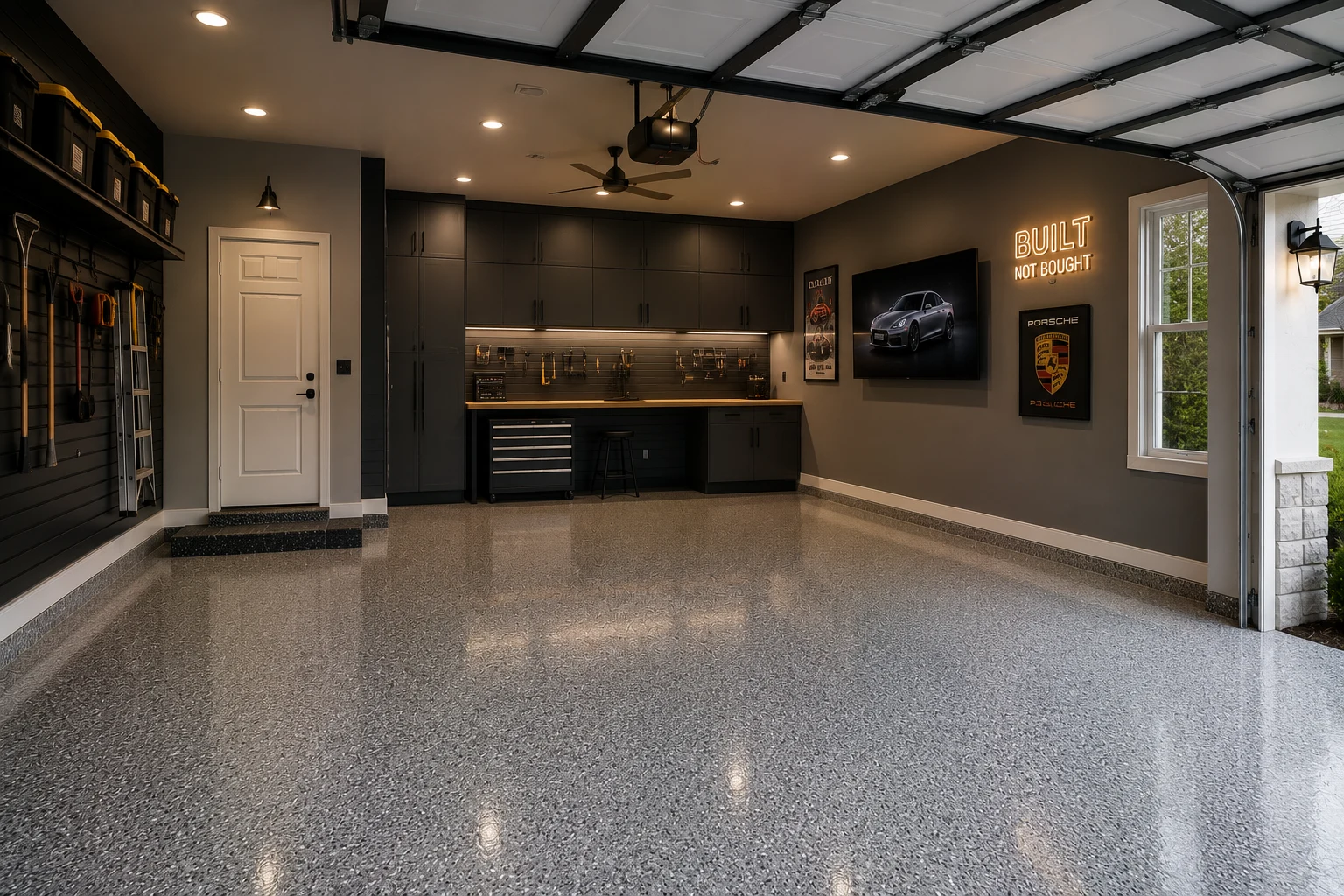
Turn your garage into an organized, durable, and functional extension of your home.
Learn MoreCurrent ServiceInstall and refresh flooring throughout your home with materials built to last.
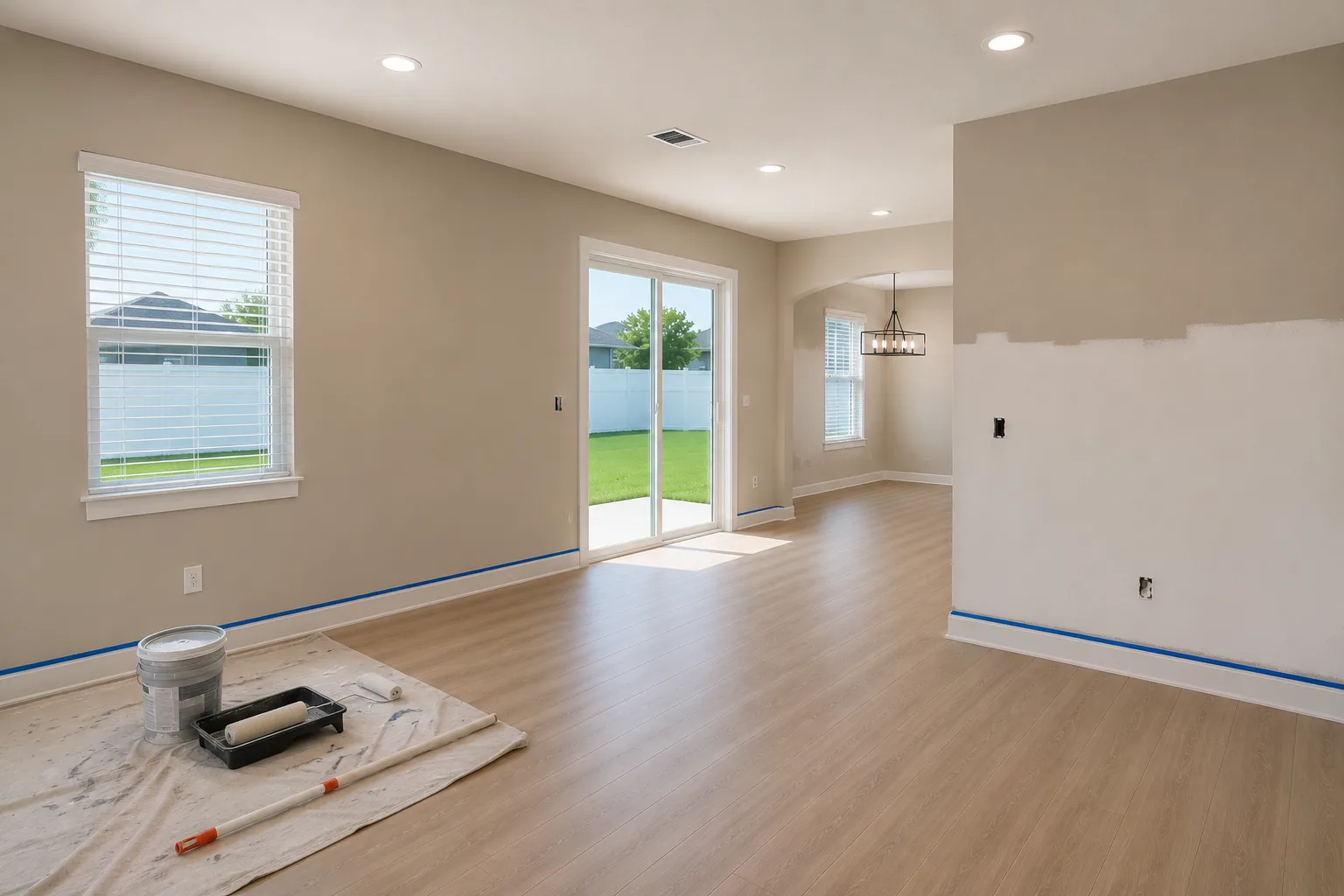
Refresh interior and exterior surfaces with professional, detail-oriented painting.
Learn More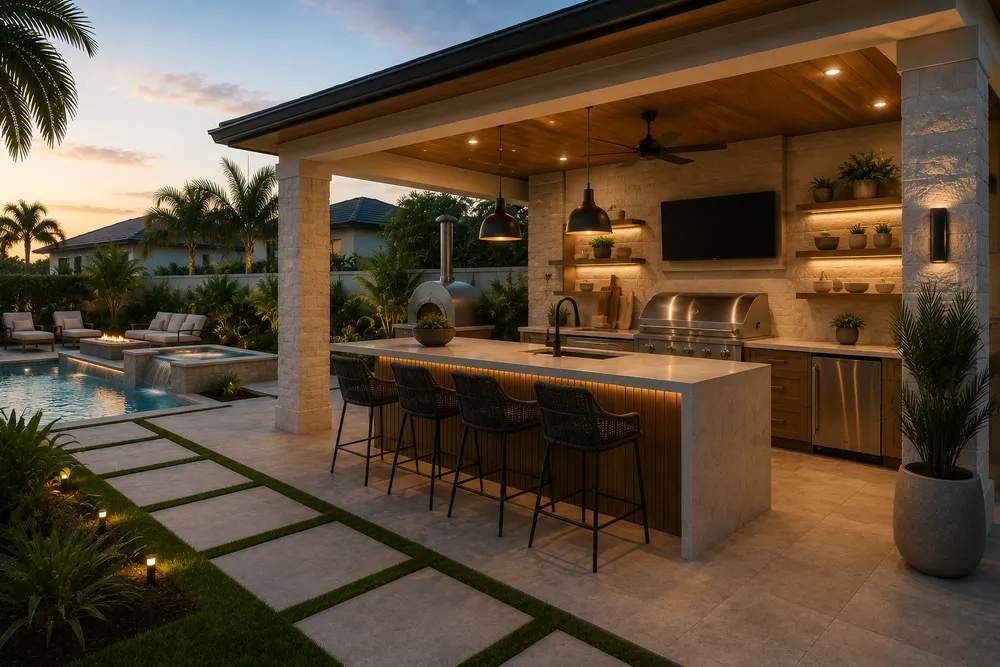
Create outdoor spaces designed for everyday living and relaxed entertaining.
Learn More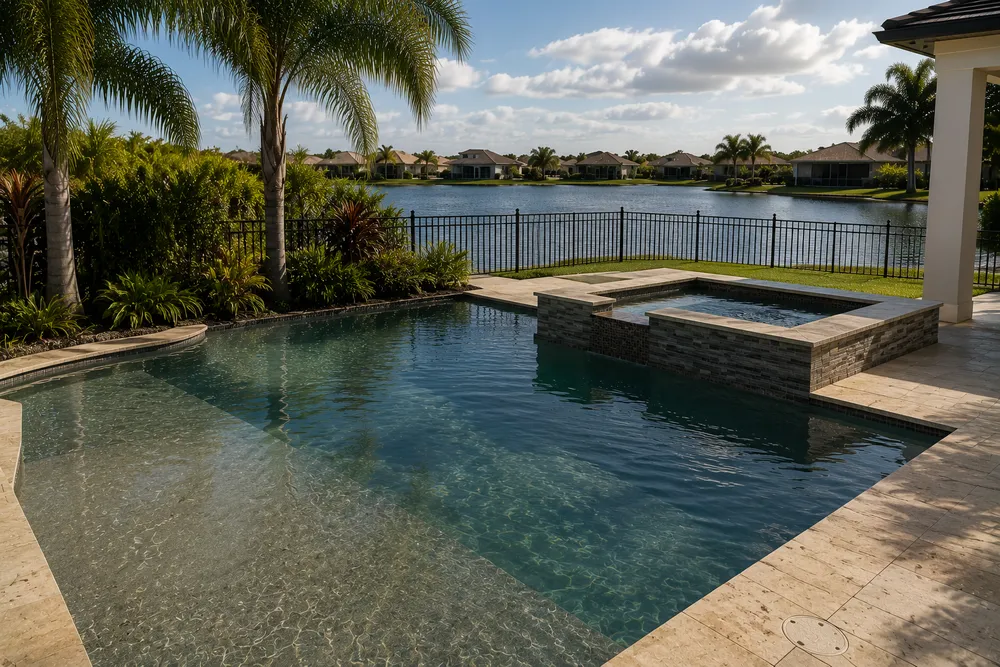
Design and build a custom pool tailored to your home and lifestyle.
Learn More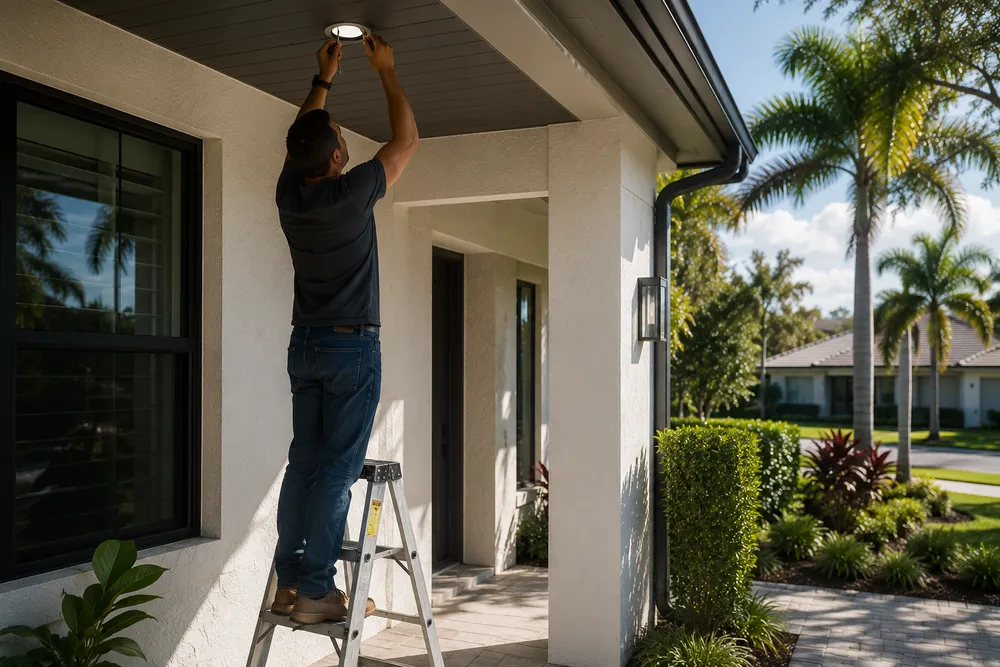
Handle everyday repairs and improvements with the same attention to detail as larger projects.
Learn MoreGet Started
Tell us about your project and our team will reach out to discuss the next steps.
Get your free estimate in less than 2 minutes
Prefer to write to us directly? Email us anytime.
What Is a Flooring Project
New flooring is judged by its surface, but what actually determines how it performs — and how long it stays flat, quiet, and gap-free — happens before a single plank or tile goes down: how level the subfloor is, whether moisture is coming up through a slab, and whether the transition between rooms was planned or just patched together.
At SAVAM House, we start by looking at how each room is actually used — high-traffic hallways, kitchens and bathrooms that see moisture, bedrooms where comfort underfoot matters more than durability — and match subfloor prep and material to that reality. Here's how that process works.
Planning Ahead
A few practical questions worth considering as you plan a flooring project.
Hardwood, LVP, laminate, and tile each handle moisture and traffic differently, so the right choice often changes from room to room. We help you weigh durability, comfort, and moisture exposure for each space before ordering material for the whole project.
Old carpet, tile, or vinyl can hide subfloor issues — moisture, unevenness, or old adhesive residue — that need to be addressed before new flooring goes down. We plan removal and subfloor prep as part of the estimate, not as a surprise mid-project.
Certain hardwood species, tile patterns, and LVP collections can take longer to arrive than expected, especially in the quantities a whole-home project requires. Ordering early, once your rooms and materials are finalized, keeps installation on schedule.
Most Central Florida homes are built on a concrete slab, and a slab keeps drawing moisture up from the ground beneath it. That moisture is what cups wood, lifts floating floors and weakens some adhesives. Testing before you choose a material, and adding a vapor barrier or mitigation layer when the reading calls for it, costs far less than replacing a floor that fails in its second summer.
The material price per square foot is often not the biggest variable. Removing tile set in a thick mortar bed, leveling an uneven slab, stairs, running one floor through several rooms and replacing baseboards all add labor that the price on the box doesn't show. We account for those items in your estimate so they don't arrive as surprises.
Before your estimate, it helps to know which rooms you're updating, whether you're removing carpet or tile, and a general sense of the style you want. You don't need finished material selections at this stage — our team helps you narrow those down after your project is submitted through the form below.
Why SAVAM House
From your first request to choosing a professional, every step is clear and easy to follow.
We help match your project with independent professionals suited to its scope, style, and budget.
You'll always know what's happening with your project and what comes next.
We take the time to understand your home and your goals before connecting you with a professional.
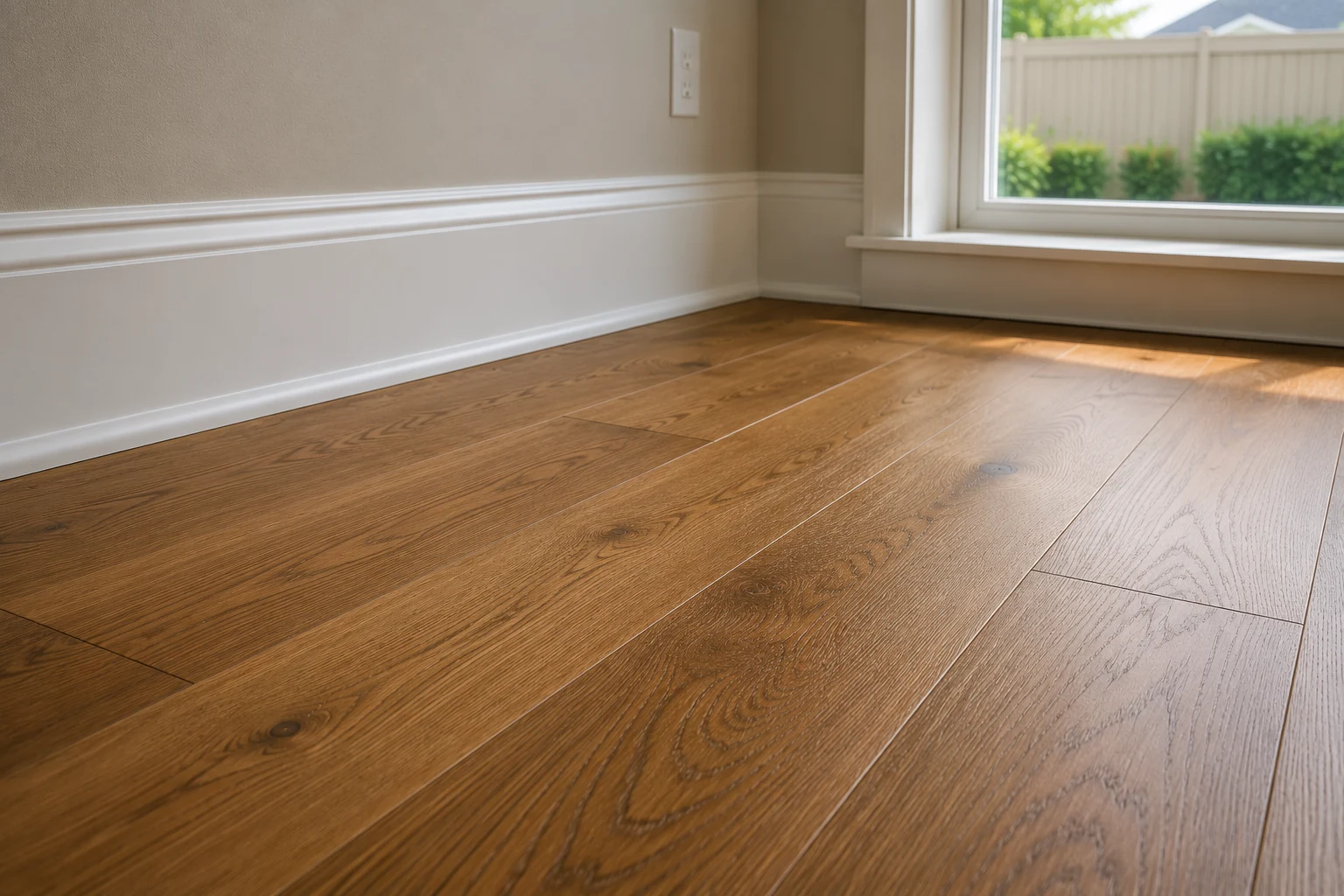 Hardwood FlooringClassic solid and engineered wood floors that add warmth and lasting character to a home.
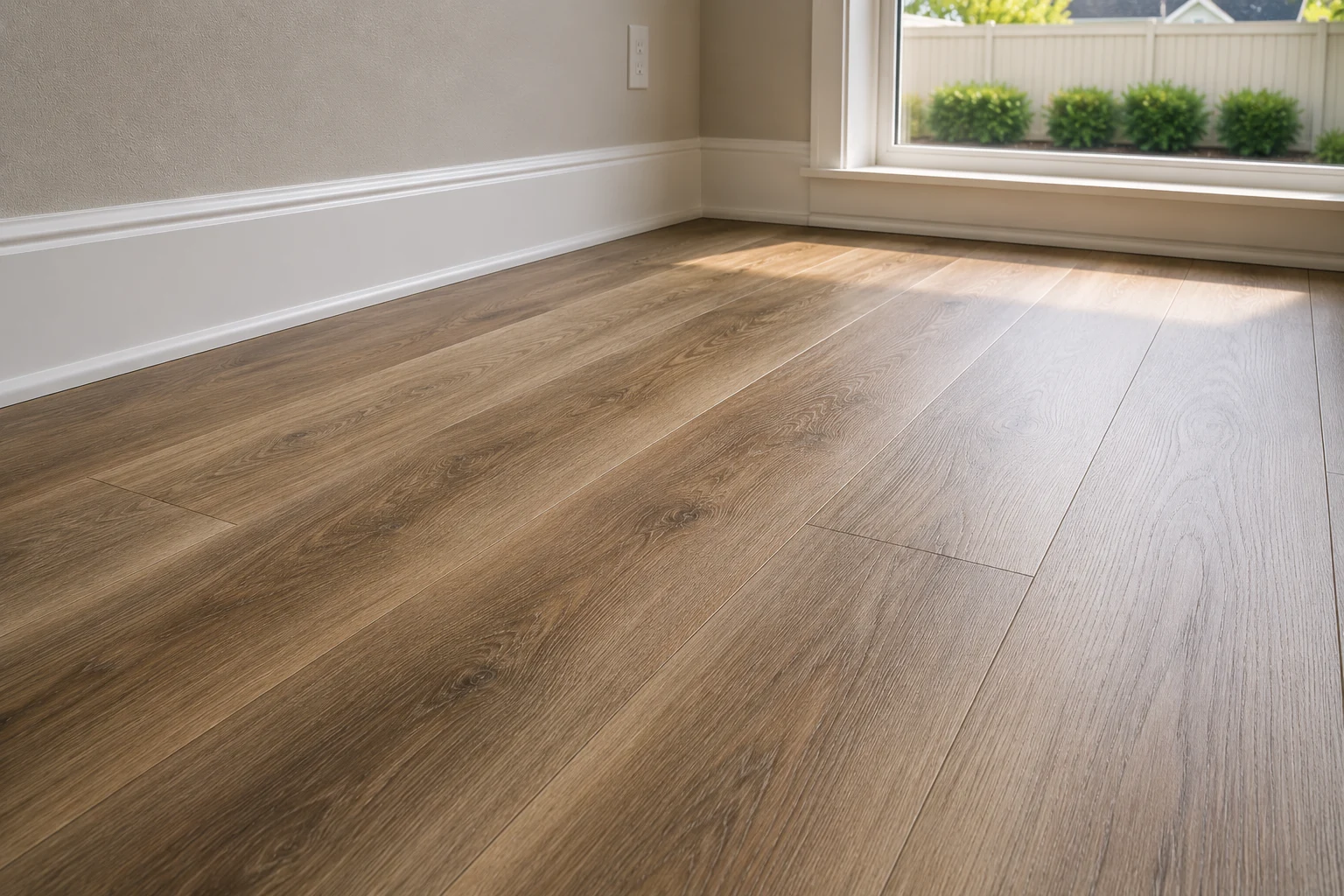 Luxury Vinyl Plank (LVP)Durable, water-resistant flooring built to handle daily life in busy households.
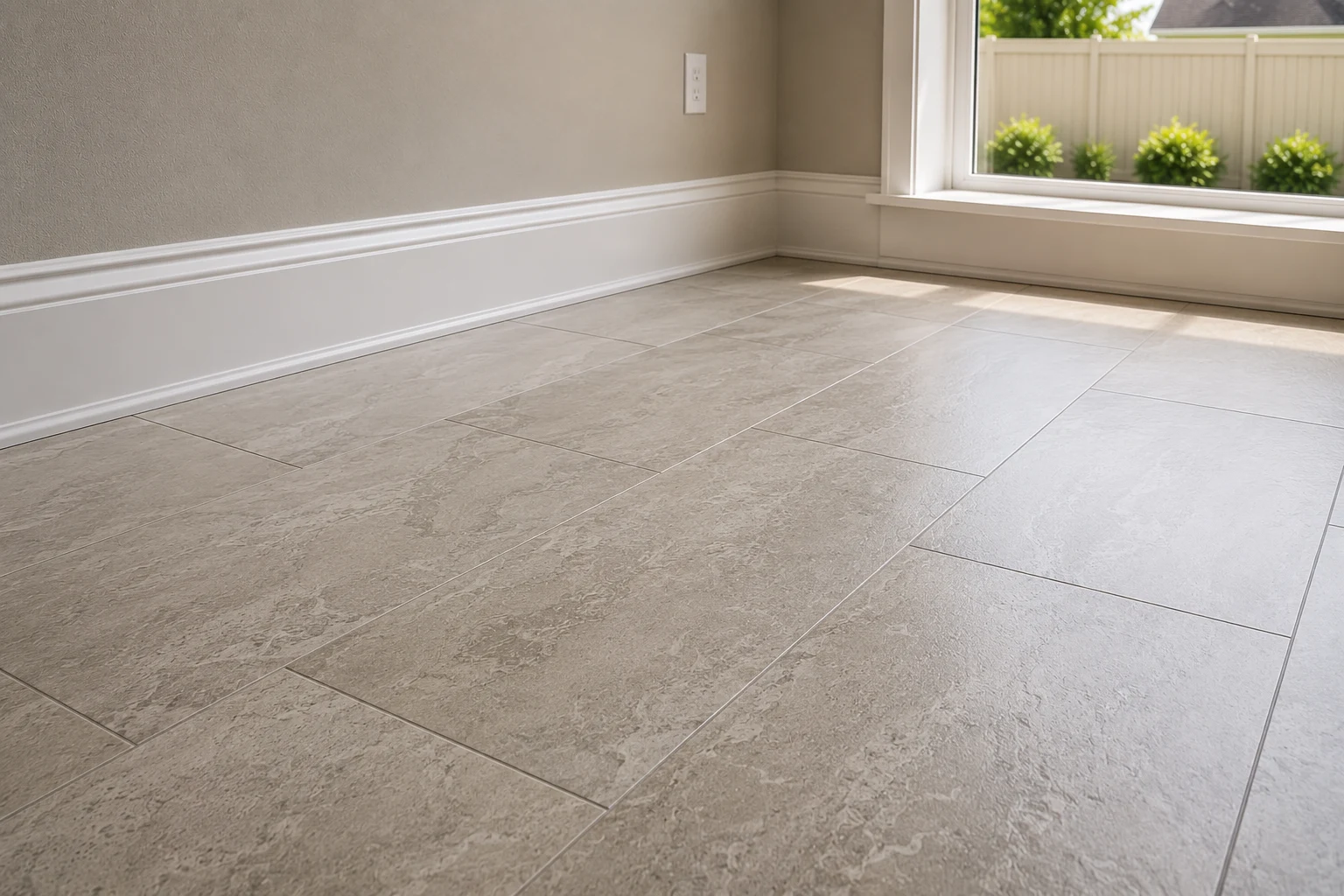 Tile FlooringLong-lasting porcelain and ceramic tile suited for high-moisture and high-traffic areas.
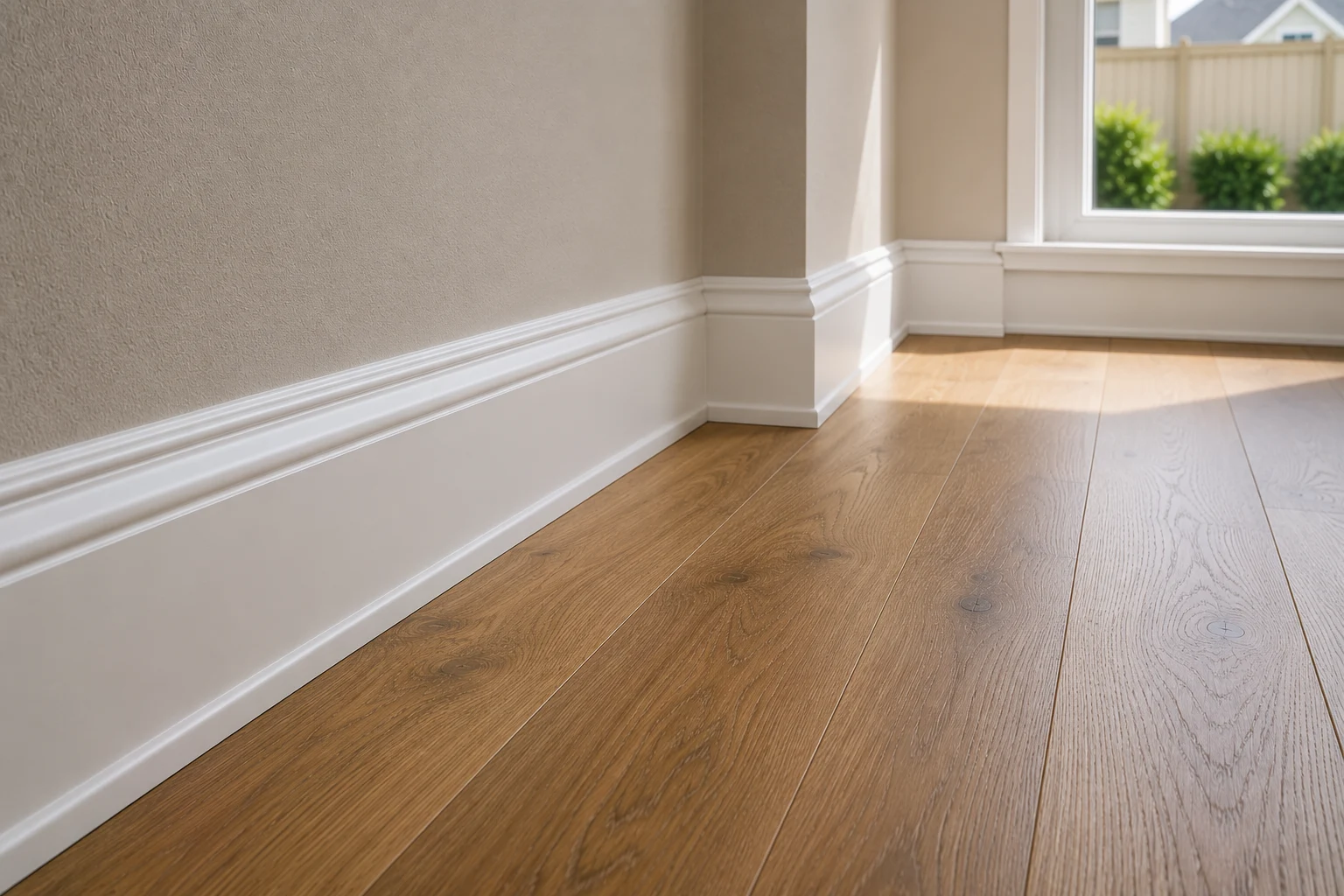 Baseboards & TrimClean, properly scribed trim that finishes every flooring project with a polished edge.
Get Inspired
A look at the flooring styles and finishes worth considering for your next project.
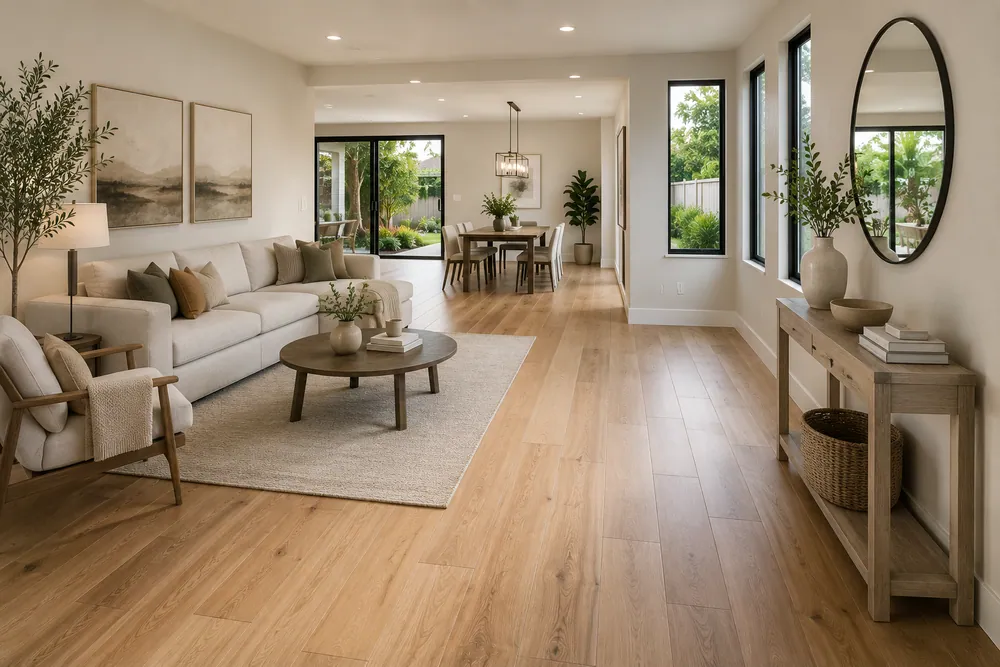
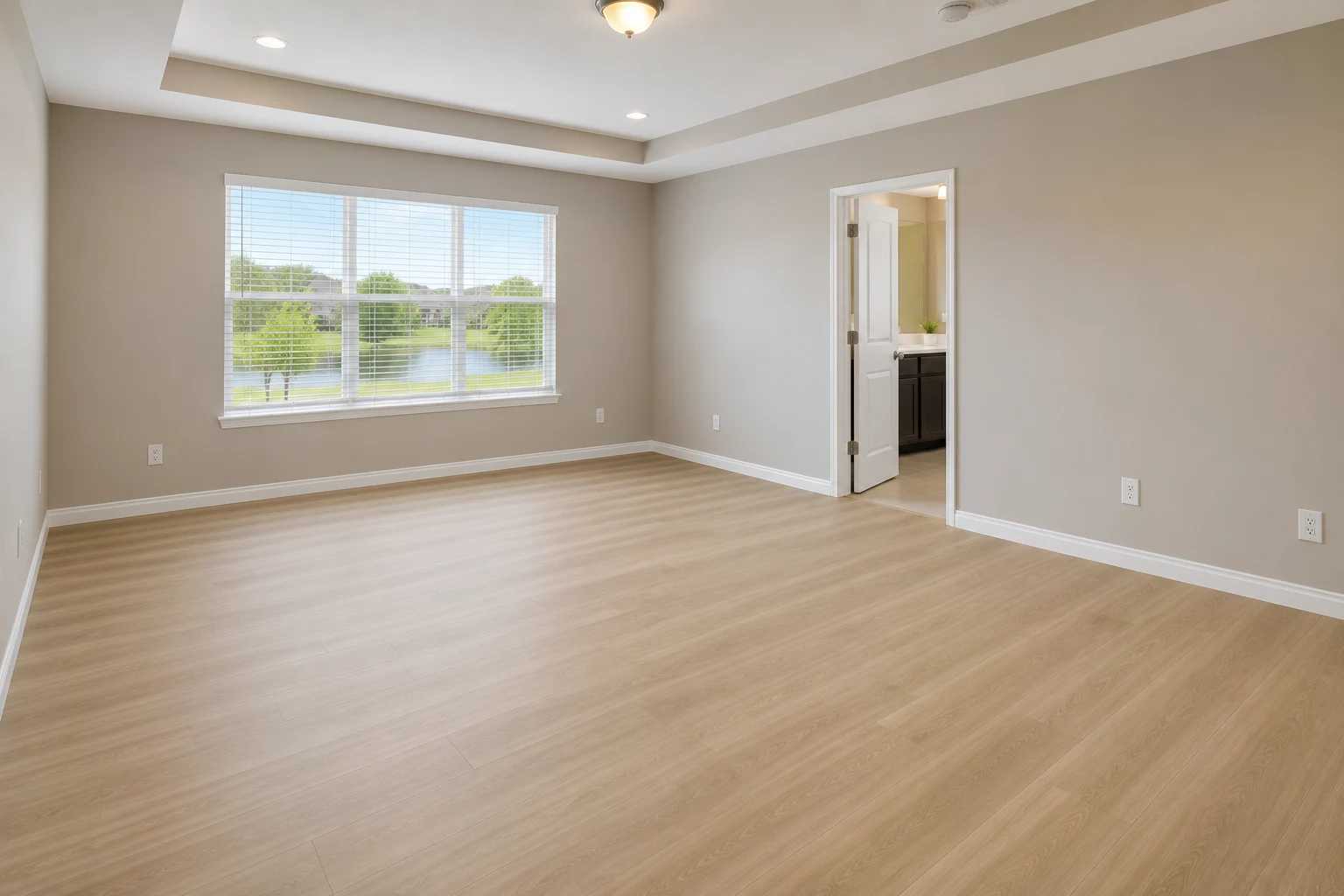
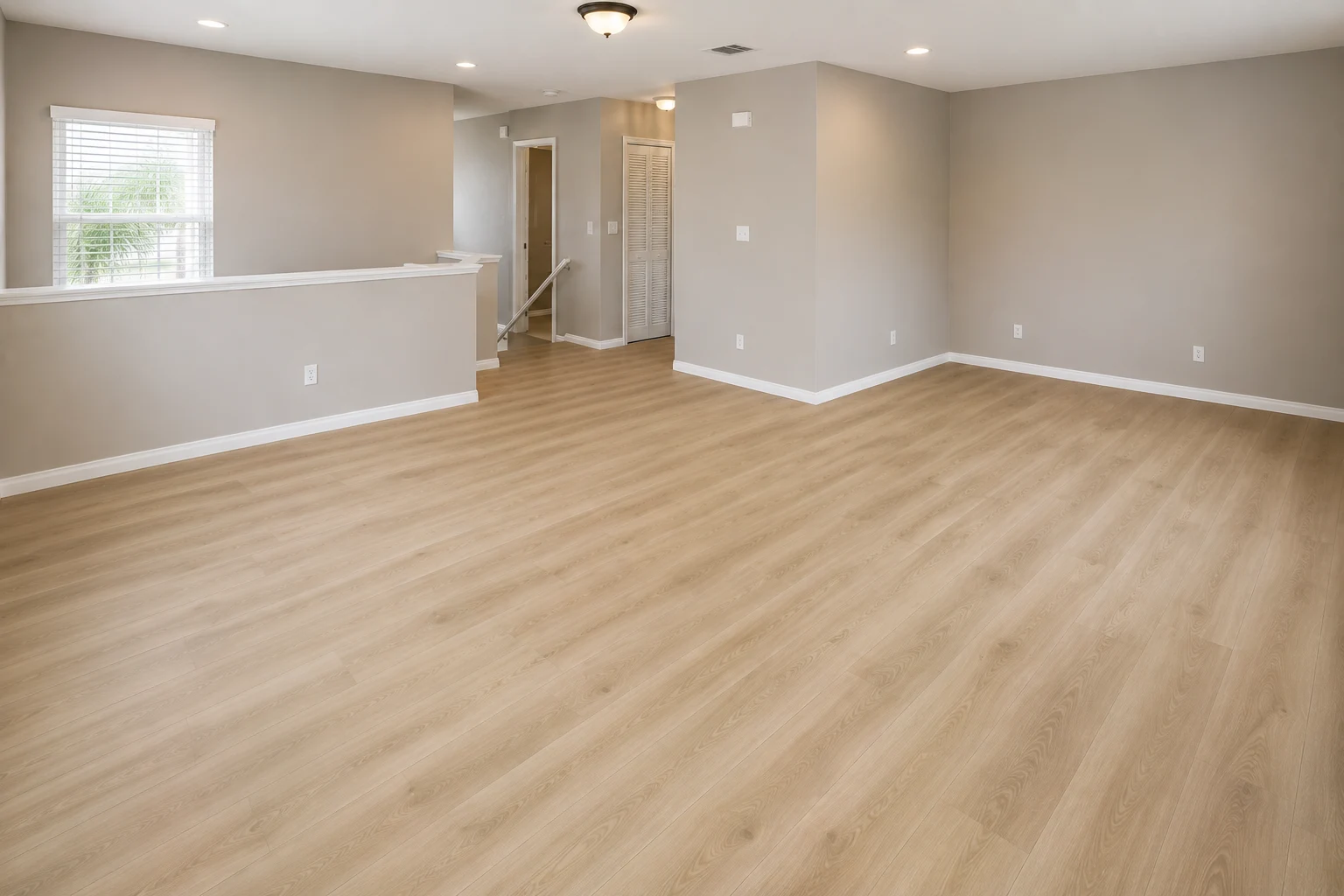 ConceptFlooringWarm Wide-Plank Hardwood Concept
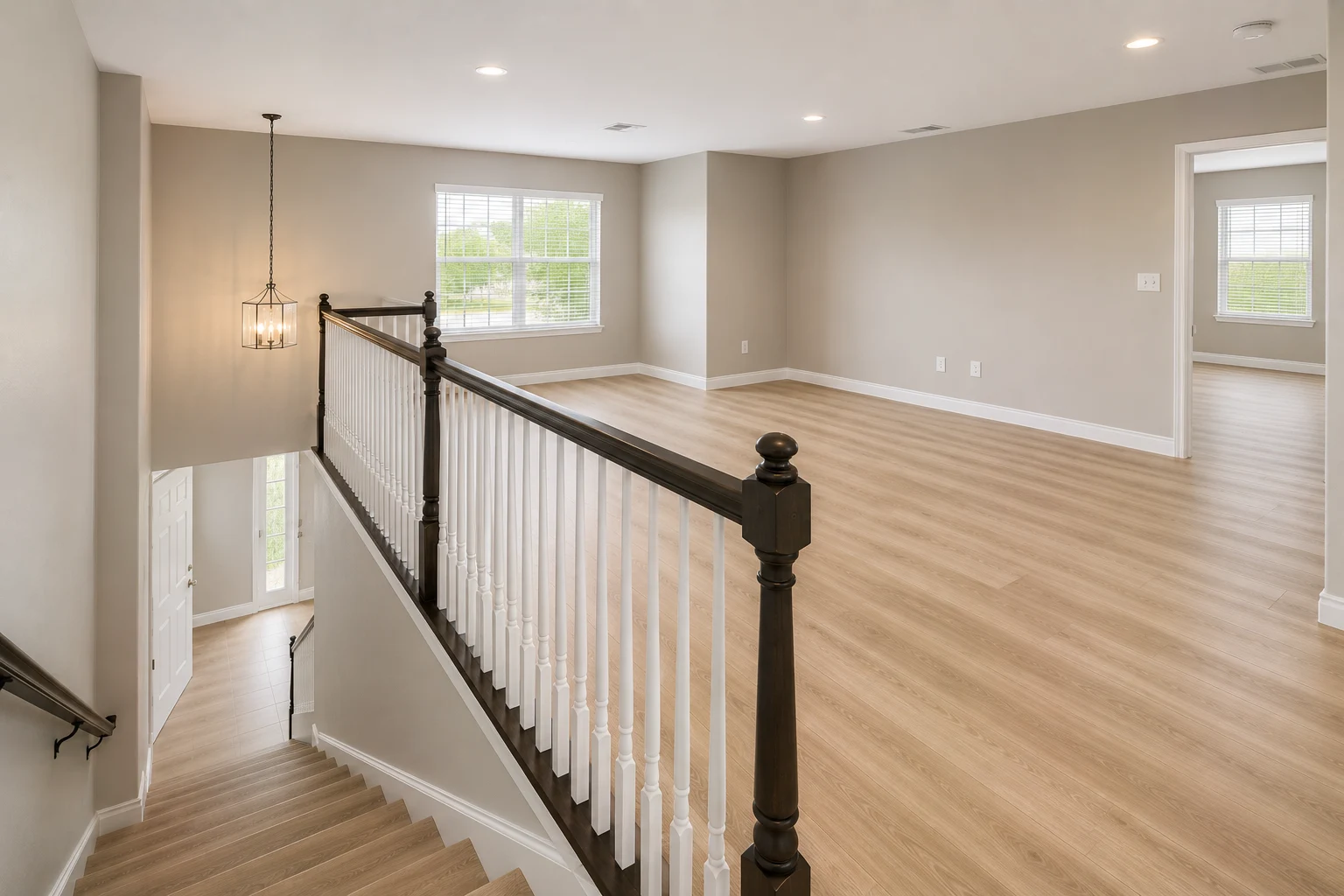
 ConceptFlooringModern Whole-Home LVP Concept
 ConceptFlooringLarge-Format Tile Flow Concept
These images are conceptual visualizations meant to illustrate styles and finishes you can plan for your project — not photographs of completed projects.
Questions
Timelines depend on square footage, material type, and whether removal of old flooring is involved. Tile generally takes longer than LVP or laminate because of setting and grouting time. We walk through an estimated timeline as part of your project plan.
Hardwood offers a classic look and can be refinished over time, but it’s more sensitive to moisture. LVP is more water- and scratch-resistant and often a better fit for kitchens, bathrooms, and homes with pets or kids. We help you weigh the tradeoffs for your specific rooms.
Tile works well anywhere durability and moisture resistance matter, including entryways, laundry rooms, and Florida-style living areas that stay warm and humid. It’s a less common choice for bedrooms, mainly due to comfort underfoot.
Removal time depends on the existing material and square footage — carpet comes out faster than tile, which often requires more careful demolition. We factor removal time into your overall project timeline.
It depends on the condition of your existing baseboards and how much the new flooring changes the finished floor height. In many cases, replacing the baseboards is the best way to get a clean, properly scribed fit against the new floor.
Yes. An uneven subfloor can cause new flooring to squeak, shift, or develop gaps over time, so leveling is checked and addressed as part of the preparation process before any material goes down.
Moisture levels in the subfloor are assessed, and vapor barriers and underlayment are matched to the material and room, since Central Florida’s humidity and slab construction make moisture protection an important part of a lasting installation.
Yes. Carpet removal and disposal are handled as part of the project, along with an inspection of the subfloor underneath before new flooring is installed.
Durability depends on the material — LVP and tile generally hold up best to scratches, spills, and heavy foot traffic, while hardwood requires more care around moisture and scratching. We help you match material to your household.
For short-term rentals, most owners put water resistance, scratch resistance and quick repairs ahead of the look of natural wood. Porcelain tile and luxury vinyl plank with a heavier wear layer are the usual choices, and a floor where one damaged plank or tile can be swapped out keeps turnover downtime short. We'll ask how the property is rented before recommending a material.
Fill out the estimate form on this page with a few details about the rooms you’re updating and your goals for the project. Our team will review your information and reach out to discuss next steps.
From the Blog
FlooringPlanning
A concrete slab can look and feel dry while it keeps releasing water vapor from below. Two standard tests turn that invisible moisture into a number the flooring manufacturer can check against its limits.
FlooringComparison
Porcelain and vinyl plank are the two floors most Florida homeowners end up choosing between. Each wins clearly in some rooms, and the better answer is often both.
FlooringBuying Guide
Most luxury vinyl plank lasts 15 to 25 years — but the range is decided by the wear layer, the subfloor and the sun, not by the brand on the box. Here is how to tell which end of it your floor will land on.
FlooringComparison
These three are usually compared on price and appearance, and neither decides the outcome. The question that separates them is what happens in year twelve — refinished, replaced plank by plank, or replaced entirely — and whether the floor can sit on a slab at all.
FlooringCost Guide
Two flooring quotes for the same room can differ by thousands, and the reason is almost never the plank. Here is how a flooring estimate is assembled — material, labor, subfloor, removal, trim — and how to read one line by line.
FlooringBuying Guide
A new floor is judged at its edges: where it meets the wall, the door and the next room. Trim and transitions are small line items that decide whether the job looks finished.
Tell us about your rooms and our team will help you plan materials, subfloor prep, and a timeline that fit how you actually live.