The short answer
Before a popcorn ceiling is scraped, sanded or drilled, a sample should be tested by an accredited lab for asbestos. Some textured ceilings contain it, especially in older homes, and it cannot be identified by looking. If the test is negative, the texture is usually wetted, scraped, repaired and refinished smooth or with a new texture, then primed and painted.
If the test is positive, removal becomes asbestos abatement, which in Florida is generally work for a licensed asbestos contractor using containment and specific disposal rules; encapsulating or covering the ceiling are alternatives. Published 2026 national cost guides put ordinary removal at roughly $1 to $6 per square foot, and asbestos removal from ceilings considerably higher.
Key takeaways
- Test first. EPA advises against disturbing material that may contain asbestos, and against taking samples yourself.
- The age of the house raises or lowers the likelihood of asbestos, but only a lab result settles it.
- Scraping a ceiling is one of the dustiest jobs in a remodel. Containment and floor protection are part of the job, not extras.
- A smooth finish needs skim coating and sanding after removal. Retexturing is faster and hides more imperfections.
- Ceilings come before new flooring, and before painting walls, because removal is wet and messy.
Why So Many Central Florida Homes Still Have It
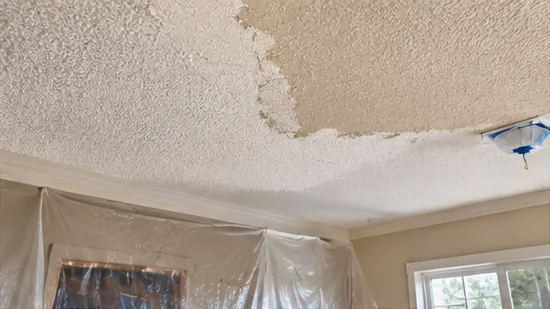
Spray-on acoustic texture, better known as popcorn or cottage cheese ceiling, was popular for decades because it went on fast, hid flaws in drywall and dampened sound. Much of the housing in Orlando’s older neighborhoods and in the suburbs that grew through the 1970s and 1980s was finished this way, and many of those ceilings have never been touched.
Today it is one of the most common updates people ask for when renovating a home from that era. It collects dust and cobwebs, is hard to clean or patch, yellows with age and shows water stains clearly. It also makes rooms look dated in a way paint and flooring alone cannot fix.
The reason it cannot be scraped off without thought is that some textured ceiling products contained asbestos. The EPA banned spray-applied asbestos surfacing materials in stages, with decorative uses covered by 1978, and the Consumer Product Safety Commission banned asbestos in patching compounds around the same time. Those bans did not require existing material to be removed, and products already manufactured may have been installed after the bans took effect.
Pre-1980 Homes
Age of the house is a reason to test, not a diagnosis. OSHA’s construction rules treat surfacing materials in buildings constructed no later than 1980 as presumed to contain asbestos unless testing shows otherwise, which is why contractors working on ceilings in those homes treat them with caution. Many ceilings from that period contain no asbestos, and some later ones were never tested. The only reliable answer comes from a lab.
Asbestos Testing Comes First
Asbestos fibers are dangerous when they become airborne and are inhaled; exposure is linked to lung diseases, including cancers, that can appear decades later. Intact material that is left alone poses little risk. The risk comes from disturbing it by scraping, sanding, drilling or cutting.
The EPA’s guidance to homeowners is clear on two points: do not disturb material that may contain asbestos, and do not take samples yourself. Sampling itself disturbs the material. A trained, accredited asbestos inspector collects samples with precautions and sends them to a laboratory for analysis, usually by polarized light microscopy.
Testing should happen before any work that will disturb the ceiling, including removal, installing recessed lights, drilling for fans or repairing damage. When a remodel involves several rooms, samples are often taken from each distinct ceiling area, since different rooms may have been textured at different times with different products.
What the Test Costs and How Long It Takes
HomeGuide’s national cost data puts laboratory analysis at roughly $20 to $80 per sample, and Angi’s 2026 guide puts a professional asbestos test, including the inspector’s visit, at roughly $230 to $780. The total depends on how many samples are needed and whether the inspection covers other materials in the house, such as flooring or drywall compound.
Turnaround depends on the lab and the service level chosen. Standard results usually take some days; many labs offer faster service at higher cost. Planning the test well before the scheduled start of work avoids delaying the remodel.
Removal Process Room by Room
When the lab confirms the ceiling does not contain asbestos, removal is ordinary, if messy, work:
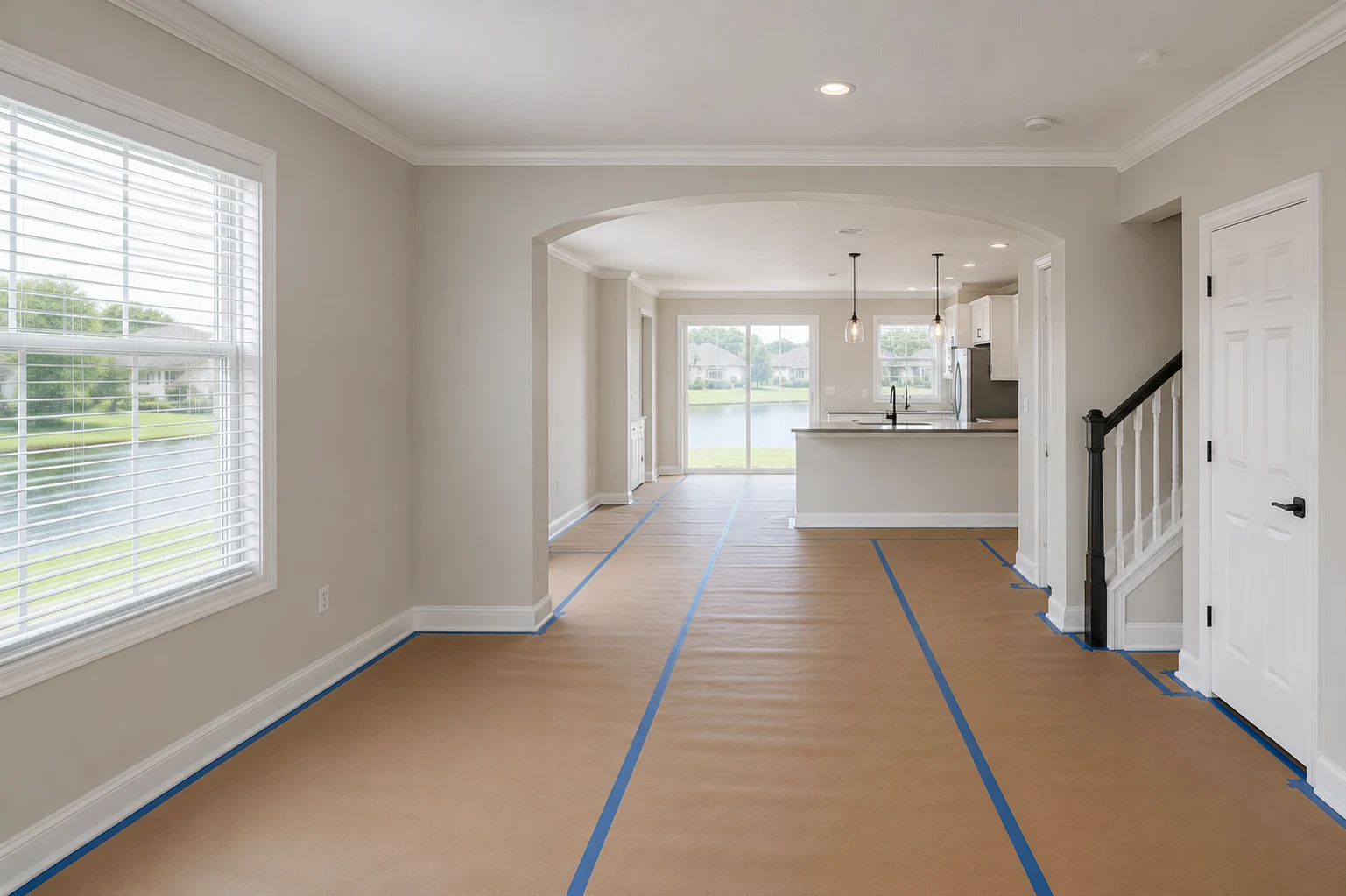
- Clear and protect the room. Furniture out, floors covered with plastic and paper, walls covered with plastic sheeting, vents and fixtures sealed.
- Turn off power to ceiling fixtures and fans and remove them.
- Wet the texture with a light mist of water, in sections, to soften it. Unpainted texture usually absorbs water and loosens; painted texture resists and takes much more effort.
- Scrape with a wide blade, collecting the debris on the protected floor.
- Repair the drywall where tape or paper was damaged, and let everything dry fully.
- Skim coat or retexture, then sand, prime and paint.
Water around ceiling fixtures and electrical boxes requires care, and wet drywall can be damaged if soaked. On ceilings that were painted, removal may need a different approach, and sometimes covering the ceiling with new drywall is more practical than removal.
Containment and Dust Control
Even non-asbestos texture creates heavy, wet debris and fine dust. Good practice includes sealing the room from the rest of the house with plastic barriers, covering air returns so the air conditioning does not spread dust, protecting floors and walls, bagging debris as it is removed, and running dust extraction during sanding.
When a house is occupied during the work, this is one of the phases worth planning around. Sealing off bedrooms and keeping the air conditioning system out of the work zone matters more than daily cleaning, and the rest of that day-to-day planning is laid out in staying at home while work goes on.
If the ceiling contains asbestos, containment becomes regulated. Florida requires asbestos abatement to be performed by licensed asbestos contractors, with narrow exceptions for owners working on the residence they occupy. Federal emission rules for asbestos generally do not apply to single-family homes, but OSHA’s construction standard applies to contractors, with requirements for containment, protective equipment and work practices. Disposal of asbestos waste follows specific rules as well. In practice, abatement is its own project, completed and cleared before remodeling work resumes.
Encapsulation as an Alternative
Removal is not the only option for a ceiling that contains asbestos. The EPA recognizes encapsulation, sealing the material with a coating that binds the fibers, and enclosure, covering it with new material such as drywall, as ways to manage asbestos in place. Both avoid disturbing the material, generally cost less than abatement, and leave a record that asbestos remains in the ceiling, which needs to be disclosed and considered in future work such as installing lights or fans. Angi’s national cost guide puts encapsulation at roughly $2 to $6 per square foot.
Other Materials Tested at the Same Time
A ceiling is rarely the only suspect material in a house from the same era. Drywall joint compound, some wall textures, vinyl floor tiles and the adhesives under them, and certain pipe and duct insulation were also made with asbestos in some products before the bans. When a remodel will disturb several of these, an asbestos survey of all the affected materials, done once before demolition, is more efficient than testing piece by piece as work uncovers them.
The same logic applies to paint. Paint applied before 1978 may contain lead, and the federal rules on lead-safe renovation apply to firms that disturb painted surfaces, including ceilings, above small-area thresholds. Knowing both answers before the work starts keeps the schedule from stopping halfway through.
Retexture or Smooth Finish
After removal, the ceiling rarely looks ready for paint. Drywall seams, fastener heads and past repairs, once hidden by the texture, show clearly.
Smooth finish means skim coating the entire ceiling with joint compound, sanding and repeating until flat, then priming. It gives a clean, modern look but takes the most labor and shows imperfections under raking light, especially near windows and in rooms with long sightlines.
Retexturing with a light knockdown, orange peel or similar finish is faster, hides imperfections and helps ceilings match across rooms where some areas are smoother than others. It is a common choice in homes where the ceiling will not be perfectly flat without extensive work.
The choice often comes down to budget, the condition of the drywall, and the look of the rest of the house.
Water-Stained Ceilings
Popcorn ceilings show water stains readily, and removal is often prompted by a stain from a roof or plumbing leak. Before refinishing, the source of the water needs to be found and fixed, and the drywall checked for softness, sagging or mold. Stained areas need a stain-blocking primer before paint, or they tend to bleed through. Damaged sections may need to be cut out and replaced.
Lighting and Fans While the Ceiling Is Open
Removing texture is a natural moment to change ceiling lighting, because patching around new fixtures disappears into the refinishing. Common changes include adding recessed lights, moving a fixture to the center of a room, and replacing light boxes with boxes rated for ceiling fans. In rooms under an attic, recessed lights need to be rated for contact with insulation where it will touch them, and air-sealed models help keep humid attic air out of the house.
New circuits, fixtures in new locations and fan boxes are electrical work that needs a licensed electrician and, in most cases, a permit. Deciding on the lighting plan before the skim coat goes on avoids cutting into a finished ceiling later.
Repainting After Removal
New skim coats and joint compound absorb paint unevenly, so a primer designed for new drywall is applied before finish paint. Ceiling paints are usually flat, which hides imperfections, and white or light colors reflect light into the room.
Ceilings are painted before walls, because ceiling work drips and spatters onto walls. When the whole house is being refreshed, planning ceiling removal ahead of wall painting avoids repainting walls twice. Interior finishes and color are the specialty of painting work, which often follows ceiling removal directly.
Cost per Square Foot
Published 2026 national cost guides from Angi and HomeGuide put removal of non-asbestos popcorn texture at roughly $1 to $6 per square foot, with the higher end including refinishing. Angi puts asbestos removal from ceilings at roughly $4 to $20 per square foot. These are national ranges, not quotes for a specific home.
The factors that move the price include:
- Testing results. Asbestos changes the scope and cost entirely.
- Painted texture, which is harder to remove.
- Finish, with a smooth skim coat costing more than retexturing.
- Ceiling height and vaulted ceilings, which need scaffolding.
- Repairs to drywall and water damage found after removal.
- Protection and cleanup in furnished or occupied homes.
- Painting, which may or may not be included.
Ceiling work is rarely budgeted on its own in an older home. It sits next to paint, flooring and electrical changes, and seeing how remodeling budgets are built helps decide which rooms to include.
Doing It Before Flooring
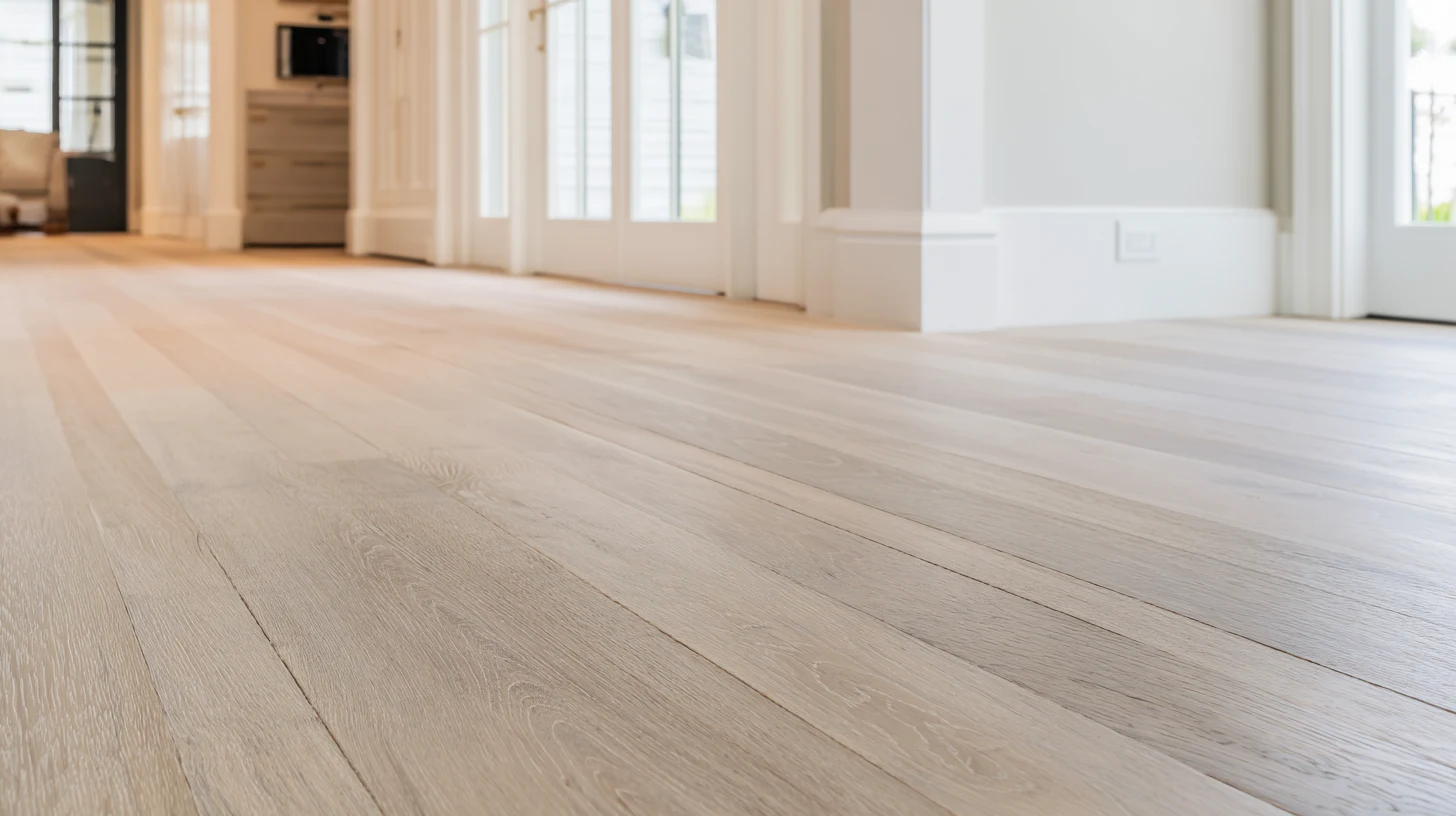
Ceiling removal belongs early in a remodel. It is wet and messy, drops debris and dust on everything below, and sanding creates fine dust that settles into floors, cabinets and fixtures. New flooring installed before the ceiling work would need heavy protection and still risks scratches and residue.
The usual order is ceilings, then walls, then flooring, then final trim and paint touch-ups. When only some rooms are being updated, doing ceilings in all of them at once, while protection is set up, is usually more efficient than returning later.
Ceiling removal and refinishing for material that has tested negative are part of the interior work in whole-house remodeling. When a test is positive, the abatement is done first by a licensed asbestos contractor, and the remodeling work picks up after clearance.
Share this article