The short answer
Bathroom mold grows where moisture lingers: on grout and caulk that stay damp, behind tile where water has leaked, and on ceilings and walls when steam is not removed. The best prevention is an exhaust fan sized for the room, ducted to the outdoors and run long enough after showers to clear the moisture, plus sound grout and sealant joints and prompt repair of leaks.
Florida's residential code requires bathrooms without an adequate window to have mechanical exhaust of at least 50 CFM for intermittent fans, exhausted directly outdoors and not into the attic. The Home Ventilating Institute suggests about 1 CFM per square foot for bathrooms up to 100 square feet. Mold growth larger than about 10 square feet generally calls for a professional, and in Florida, mold assessment and remediation above that size is licensed work.
Key takeaways
- Surface mildew on grout and caulk is common; mold behind tile or in walls points to a water problem that cleaning cannot solve.
- A fan that vents into the attic moves the moisture problem rather than solving it, and code prohibits it.
- Timers and humidity sensors keep fans running long enough after showers, which is when most moisture is removed.
- The EPA recommends keeping indoor humidity below 60 percent, ideally between 30 and 50.
- Water-damaged materials should be dried within 24 to 48 hours to limit mold growth.
Why Florida Bathrooms Grow Mold Faster
Mold needs three things: spores, which are everywhere; organic material to feed on, such as drywall paper, wood, dust and soap residue; and moisture that stays long enough. Bathrooms supply all three, and a humid climate makes the third easier.
In a Florida home, the air conditioning is working to remove humidity from the whole house for much of the year. A hot shower adds a burst of moisture to one small room. If the fan is weak, vents into the attic or is switched off when the person leaves, that moisture condenses on cool surfaces, soaks into grout and drywall, and dries slowly. Bathrooms in vacation homes and rarely used guest baths add another factor: they may sit closed and warm for weeks.
It helps to separate three situations:
- Surface mildew on grout, caulk and ceilings, which is common and can usually be cleaned.
- Condensation problems, where steam is not removed and walls and ceilings stay damp after each shower.
- Water intrusion, where leaks from the shower, plumbing or roof wet materials behind the surface.
The first is a cleaning and ventilation issue. The third is a construction problem that cleaning cannot solve.
Exhaust Fan CFM Sizing by Room Size
Florida’s residential code sets a minimum: where a bathroom does not have a qualifying window, it needs mechanical exhaust rated at 50 CFM for fans that run intermittently, or 20 CFM for fans that run continuously. That minimum is a floor.
The Home Ventilating Institute offers a practical sizing guide:
- Bathrooms up to 100 square feet: about 1 CFM per square foot, with a minimum of 50 CFM.
- Larger bathrooms: about 50 CFM for each toilet, shower and bathtub, and about 100 CFM for a jetted tub.
- Enclosed toilet rooms: their own fan.
Rated CFM is measured under standard conditions. Long duct runs, many elbows and small ducts reduce real airflow, so a fan’s placement and duct route matter as much as its rating. Placing the fan near the shower, where moisture starts, helps it capture steam before it spreads.
Where the Fan Must Vent To
Exhaust has to leave the house. Florida’s residential code requires bathroom exhaust air to be exhausted directly to the outdoors and states that air shall not be exhausted into an attic, soffit, ridge vent or crawl space. The duct should run to a wall cap or roof cap with a damper that closes when the fan is off.
Venting Into the Attic Is Not Allowed
Many older bathrooms have fans that blow into the attic, or ducts that have come loose and dump air there. That moves warm, moist air into a space that is already hot and humid in summer, where it can condense on roof sheathing and insulation and feed mold in the attic. It is not a legal termination under the current code, and fixing it is a common part of bathroom remodels. Checking where the existing duct actually goes is worth doing before assuming the fan works.
Duct Insulation and Condensation
Bathroom exhaust ducts run through attics, where temperatures differ sharply from the conditioned bathroom. Warm, moist air inside a duct can condense on cooler duct walls, and in winter or in an air-conditioned space the reverse can happen on the outside of the duct. Insulated ducts, short and direct runs, and ducts sloped so any condensation drains toward the exterior cap reduce the problem. Flexible ducts that sag create low spots where water collects.
Humidity Sensing and Timer Switches
Most moisture is removed after the shower ends, while the room is still steamy. Fans switched off when the person leaves the room stop working at the most important moment. The Home Ventilating Institute recommends running the fan for at least 20 minutes after showering.
Controls that help:
- Timer switches that keep the fan running for a set time.
- Humidity-sensing fans or controls that run until humidity drops to a set level.
- Continuous low-speed operation with a boost when needed, in fans designed for it.
These controls take the decision away from the user, which is especially useful in children’s bathrooms and rental properties.
Door Undercut for Makeup Air
An exhaust fan can only remove air if replacement air can enter. A bathroom door that seals tightly to the floor starves the fan. A gap under the door, or a transfer grille, lets air flow in so the fan can move its rated volume. Checking that the door does not seal against a new, thicker floor after a remodel is worthwhile.
Fan Noise and Why It Matters
A loud fan tends to be switched off early or not used at all. Fans are rated in sones for perceived loudness, and quieter models, together with a properly sized duct, make it more likely the fan runs as long as it should. In bathrooms next to bedrooms, quiet fans on timers are especially useful.
Ventilation for Specific Bathrooms
Different bathrooms have different moisture patterns:
- Interior bathrooms without windows depend entirely on the exhaust fan, and a timer or humidity control is the most reliable way to make sure it runs long enough.
- Primary suites with a tub and a large shower may need more capacity than a single fan near the door, sometimes with a fan near each wet area.
- Enclosed toilet rooms benefit from their own small fan for odors and moisture.
- Guest and vacation-home bathrooms sit unused for long periods; keeping the air conditioning on a reasonable setting and running fans on timers after guests leave helps keep them dry.
- Bathrooms on exterior walls need attention to how the wall dries and where the duct can reach the outdoors.
Mold-Resistant Materials
Material choices reduce what mold can grow on:
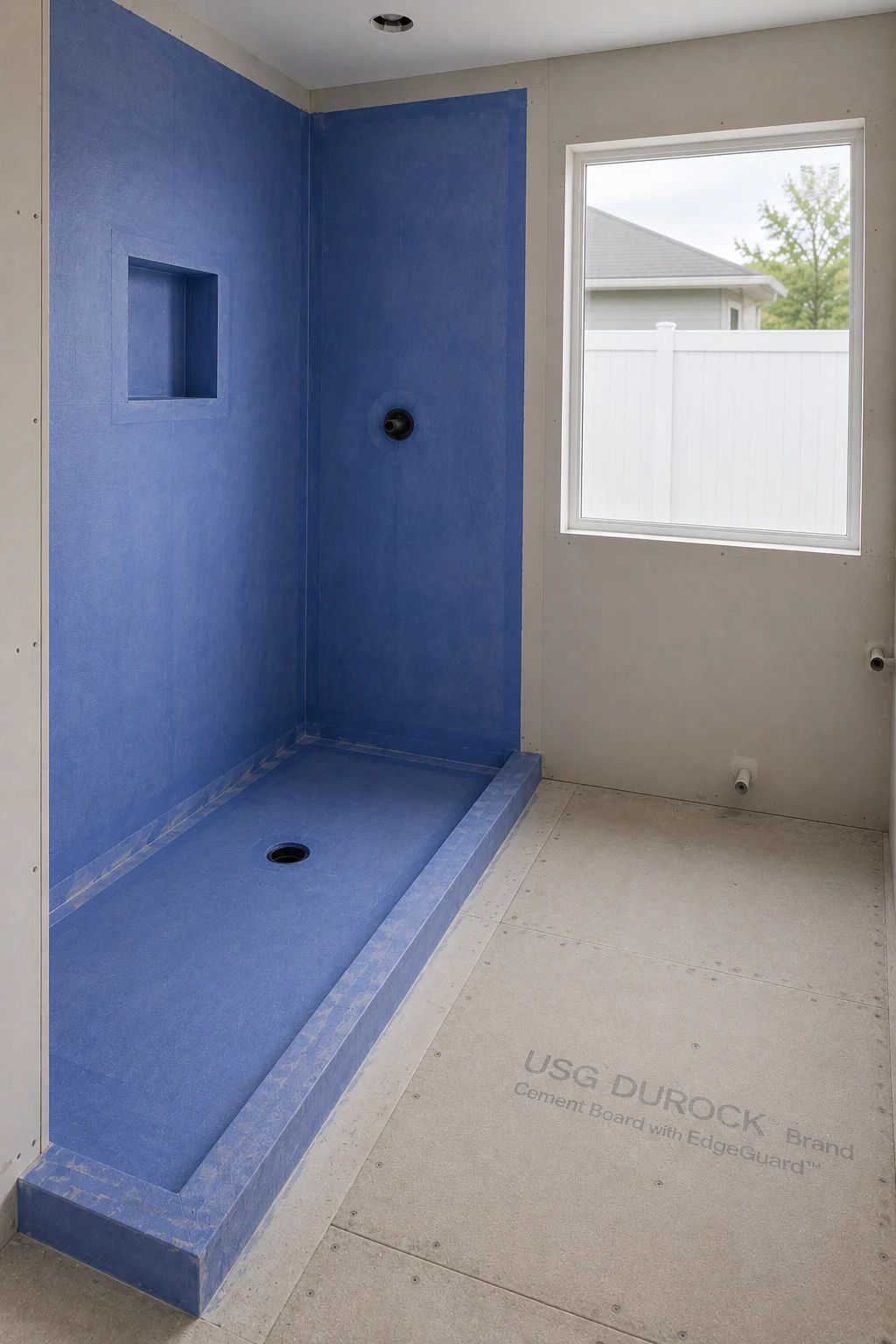
- Cement board or other non-organic backers in wet areas, with a waterproofing system in showers.
- Moisture- and mold-resistant drywall for bathroom walls and ceilings outside the shower, with paper-free or treated facings.
- Bathroom paints formulated with mildew-resistant additives, in finishes that wipe clean.
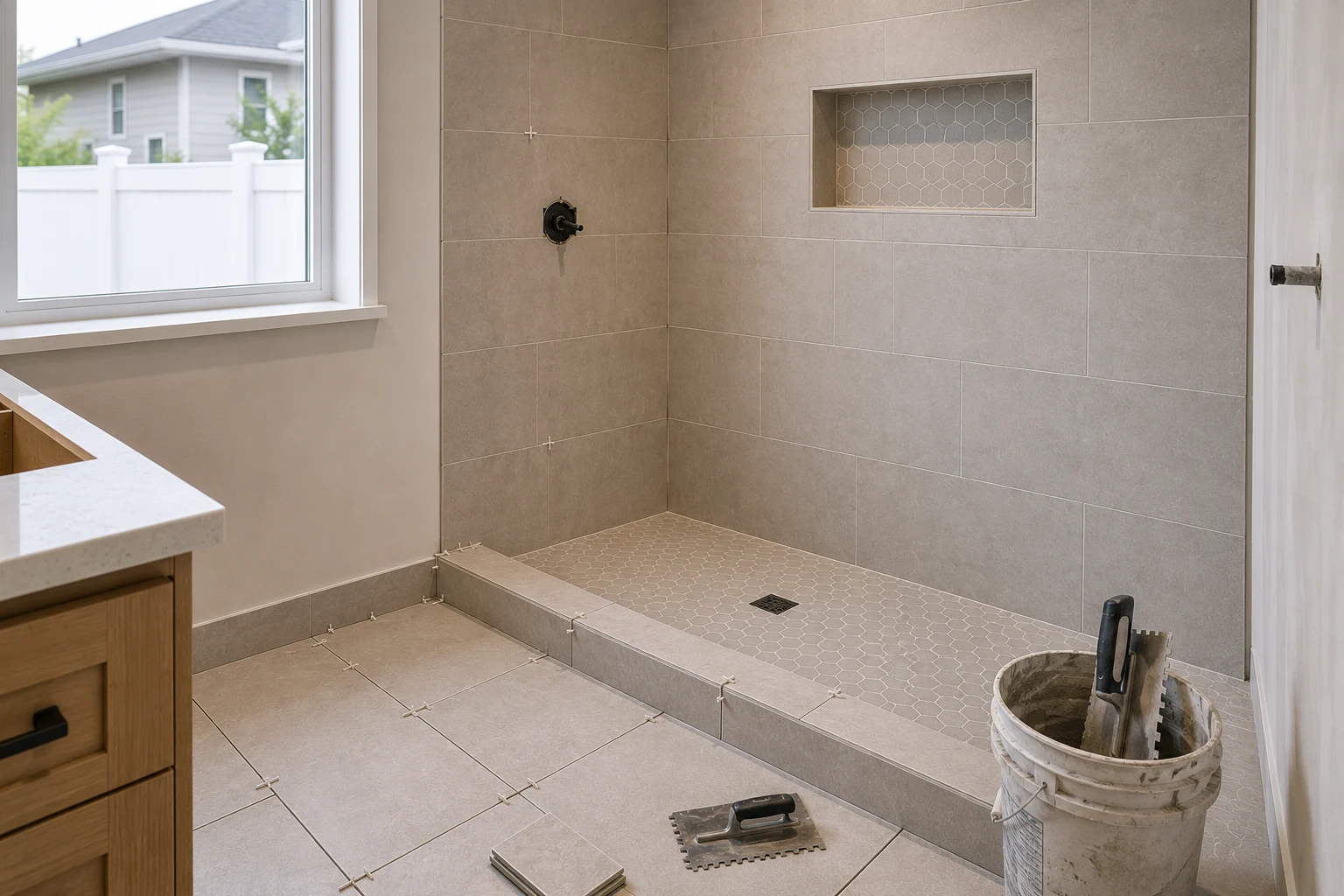
- Porcelain tile in wet areas, which does not absorb water.
- Sealed, stain-resistant grout or epoxy grout where grout joints stay wet.
None of these replaces ventilation and waterproofing. They make surfaces less hospitable and easier to clean.
Grout, Caulk and Sealing Schedule
Grout and caulk joints are where surface mildew appears first and where water can start working behind tile. Routine care includes:
- Cleaning and drying shower surfaces regularly; a squeegee after showers helps.
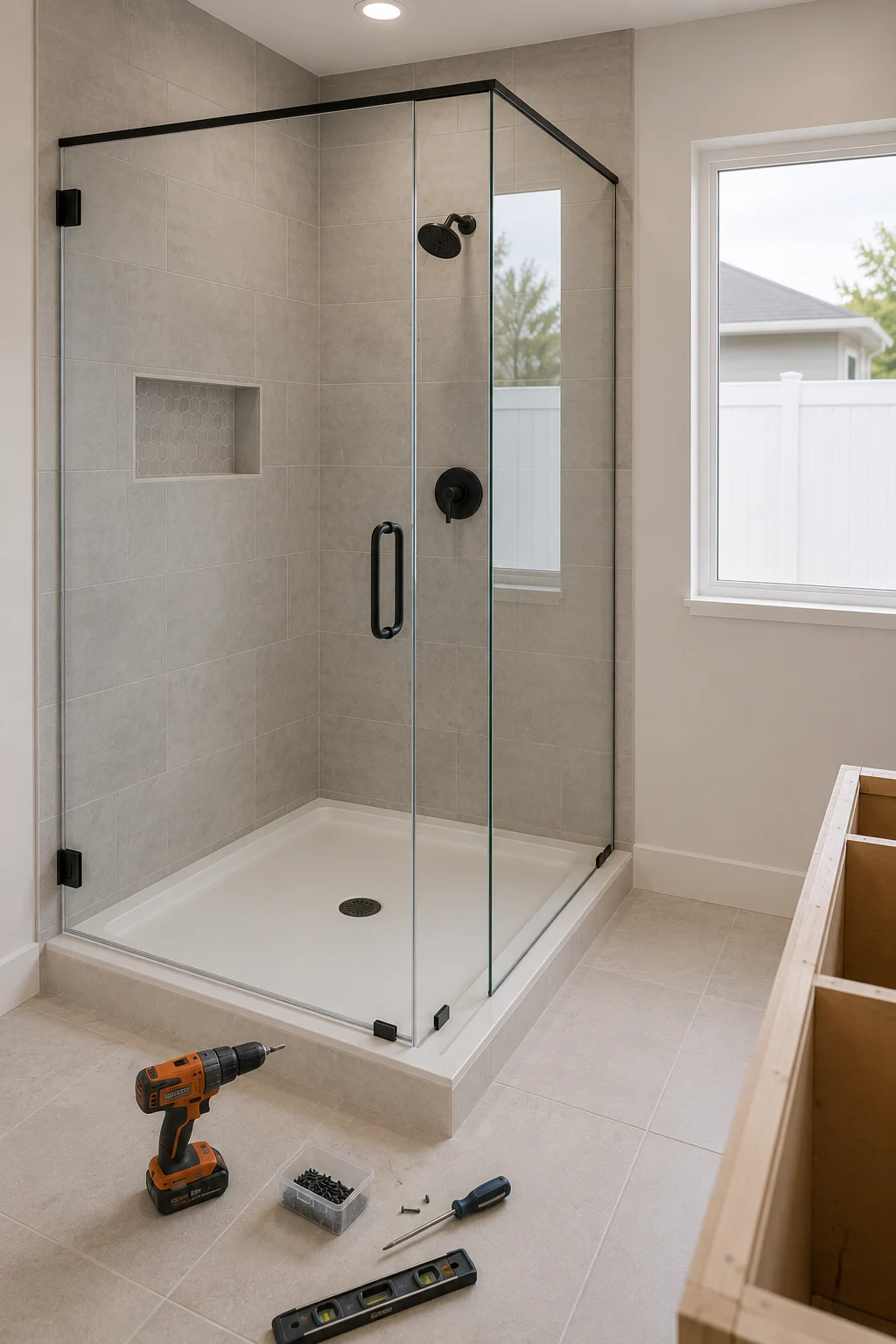
- Inspecting caulk at inside corners, the tub or pan joint and around fixtures, and replacing it when it cracks, pulls away or stays stained.
- Resealing cementitious grout on the schedule the sealer manufacturer recommends, if a sealer is used.
- Repairing cracked or missing grout promptly.
Caulk, not grout, belongs at inside corners and changes of plane, where movement cracks grout. Replacing caulk every few years is normal maintenance.
A Weekly and Yearly Routine
Simple habits keep most bathrooms free of mold:
- After each shower: run the fan on its timer, squeegee glass and tile, and leave the door open when possible.
- Weekly: clean shower surfaces and grout, wipe window sills and check under the sink for drips.
- Every few months: clean the fan grille and look at caulk joints for gaps or stains.
- Yearly: confirm the fan duct still reaches the outdoors, test the fan’s airflow with a tissue held to the grille, reseal grout if a sealer is used, and inspect the ceiling for stains.
These checks catch small problems before they become hidden ones.
Signs of Hidden Mold Behind Tile
Some signs suggest water is getting behind the surface rather than just sitting on it:
- A musty smell that persists after cleaning.
- Grout that stays dark or never dries between showers.
- Loose or hollow-sounding tiles.
- Stains, bubbling paint or soft drywall outside the shower or on the ceiling below.
- Swollen baseboards or vanity bottoms near the shower.
- Mold returning quickly in the same place after cleaning.
These signs do not diagnose mold on their own, and a professional inspection or moisture testing is the way to confirm what is happening. When the cause is a failed shower pan or membrane, cleaning cannot fix it, and how shower waterproofing fails explains what a rebuild involves.
Humidity Control Beyond the Bathroom
A bathroom fan works best in a house where overall humidity is under control. The humidity targets that matter in the bathroom apply to every room. In Florida, that usually depends on the air conditioning system: a system that is correctly sized and runs long enough removes moisture as well as heat, while an oversized one can cool quickly without drying the air. Setting the thermostat very high while away, especially in summer, can let humidity climb in a closed house. A dehumidifier helps in homes that stay humid despite the air conditioning.
When Mold Appears After a Remodel
Mold that shows up soon after a bathroom remodel usually points to a specific cause: an exhaust fan that was installed but never connected to a duct, or a duct that ends in the attic; caulk applied before surfaces were dry; a plumbing connection that weeps inside the wall; or construction materials that were wet when they were enclosed. Checking where the fan actually vents and whether the ceiling or walls near the shower stay damp after use are good first steps, and a contractor’s warranty may cover installation defects.
What Remediation Costs
The EPA advises that homeowners can usually clean small areas of mold themselves, roughly up to about 10 square feet, and that larger areas warrant professional help. In Florida, mold assessment and mold remediation involving more than 10 square feet of mold growth are defined in state law as licensed activities, with exemptions such as property owners working on their own homes. Licensed professionals follow containment and removal practices designed to keep spores from spreading.
HomeGuide’s cost data puts professional mold remediation at roughly $15 to $30 per square foot, or about $1,500 to $6,000 for many jobs, and mold inspection at roughly $300 to $650. When remediation is followed by rebuilding the shower or walls, the construction is a separate cost. Those national figures are a starting point for budgeting, not a quote: the size of the affected area, what is found behind the wall and whether materials must be replaced decide the actual price.
Fixing the moisture source is part of any lasting repair: a leaking valve, a failed pan, a missing exhaust duct or a roof leak. During a bathroom remodel, ventilation, waterproofing and materials are planned together so the finished room dries quickly after every shower, with mold remediation, where needed, handled first by a licensed specialist.
Share this article